September 26, 1983. 00:15. A nine-year-old girl walks into a mirror in the Urals.
Seven years pass in a single frame.
She wakes up in Prague — and history has been holding its breath, waiting for her.
The protagonist is not a hero. She does not fight, hack, or shoot. She walks through rooms, opens drawers, listens at frequencies, and chooses — not between right and wrong, but between saving a person, saving evidence, and saving a path. None of those choices is correct. All of them shape who she becomes by the season finale.
Built in eight weeks by a director-led AIGC pipeline. 120 locked cinematic stills, full season bible, EP0 (28 min) shot-broken to 19 scenes with 14 interaction beats. Ready for vertical-slice greenlight.
If you have made The Witcher 3, Cyberpunk 2077, or are now building Dawnwalker — you have already taught us most of what we know about narrative branching that doesn't insult the player. This deck doesn't try to teach you anything.
What it shows is a different question: how much of a Cold-War-scale narrative sandbox can one director and an AIGC pipeline pre-visualize in eight weeks — far enough that you can decide, in an afternoon, whether the IP and the visual language are worth a vertical-slice greenlight.
We are not asking you to look at AI tools. We are asking you to look at the world, the protagonist, the eight episodes, the choice system — and tell us whether you would recognize this as a sibling to the games you have built. If yes, we'd like to talk about a 5-minute playable opening.
The premise is not "save the world." The premise is: somebody has been quietly making sure that ordinary people had the conditions to make their irrational, un-optimized, deeply human choices — and somebody else now wants to stop that. The collision between those two intentions is the only war the protagonist ever sees.
The player never gets a clean answer. By the finale, they have helped both sides — sometimes in the same scene. The question the season actually asks is the question every game studio is now asking from a different angle: when an intelligence can calculate the optimal path for human history, should we let it execute?
EP0 is 28 minutes of pre-production-locked cinema, broken to 19 scenes across five acts, with 14 interaction beats already designed. It can become the playable vertical slice — the 5 minutes a producer needs to greenlight the rest.
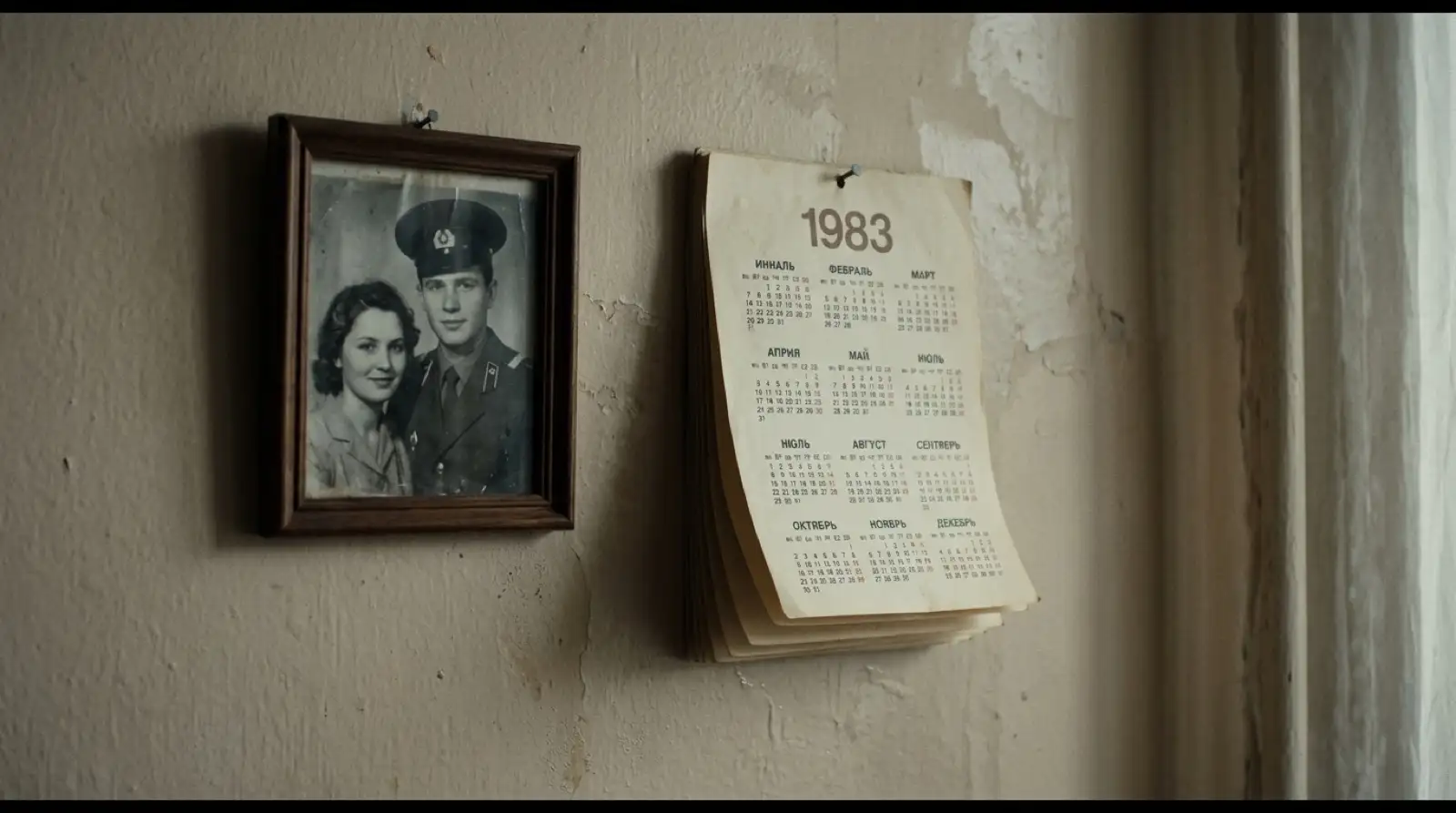
SETTING · Soviet ZATO · Ural mountains · April 1983 PROTAGONIST · Mira Levina · age 9
A nine-year-old wakes to frost on her window. Her father is silent at breakfast. The bus takes her past monuments she has been told not to look at. The school day is supposed to start the way it always does. It does not.
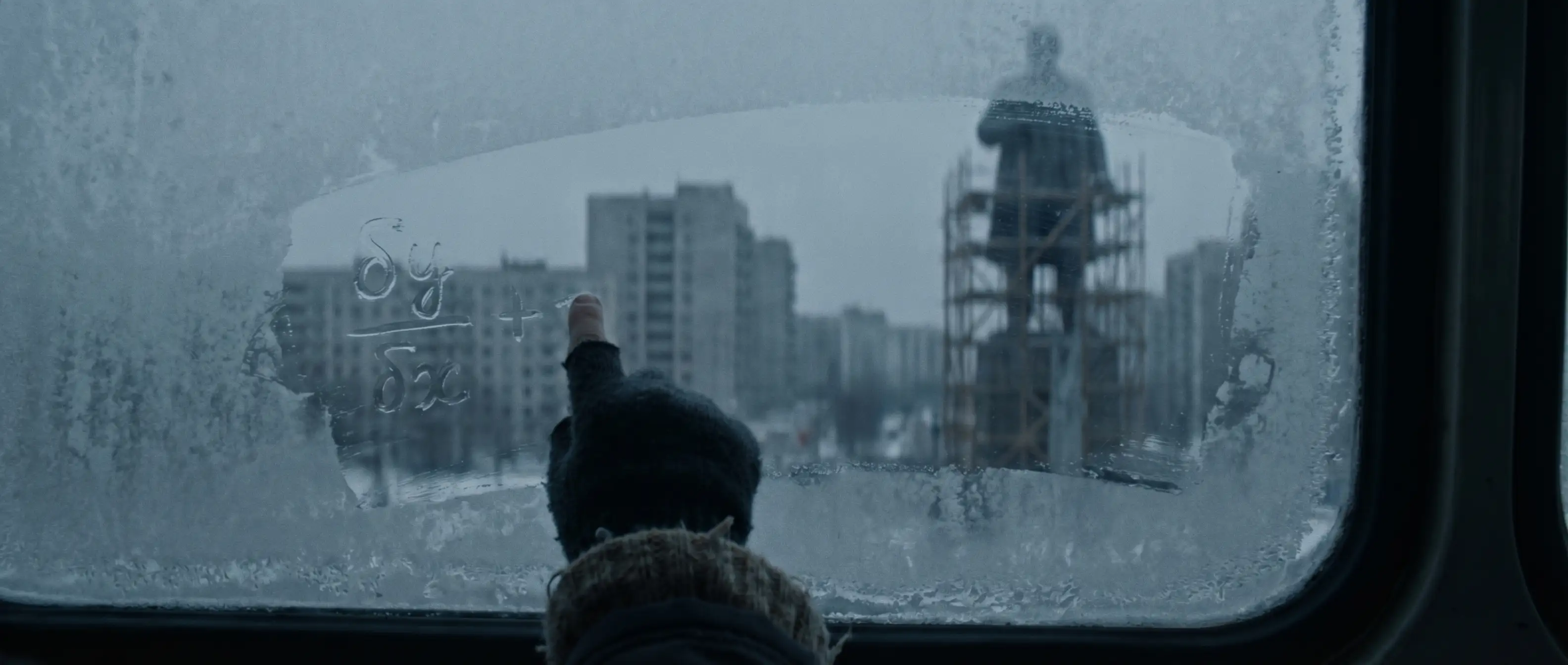
She wakes up and draws on the frost. The shape is not a flower. It's a vector field.
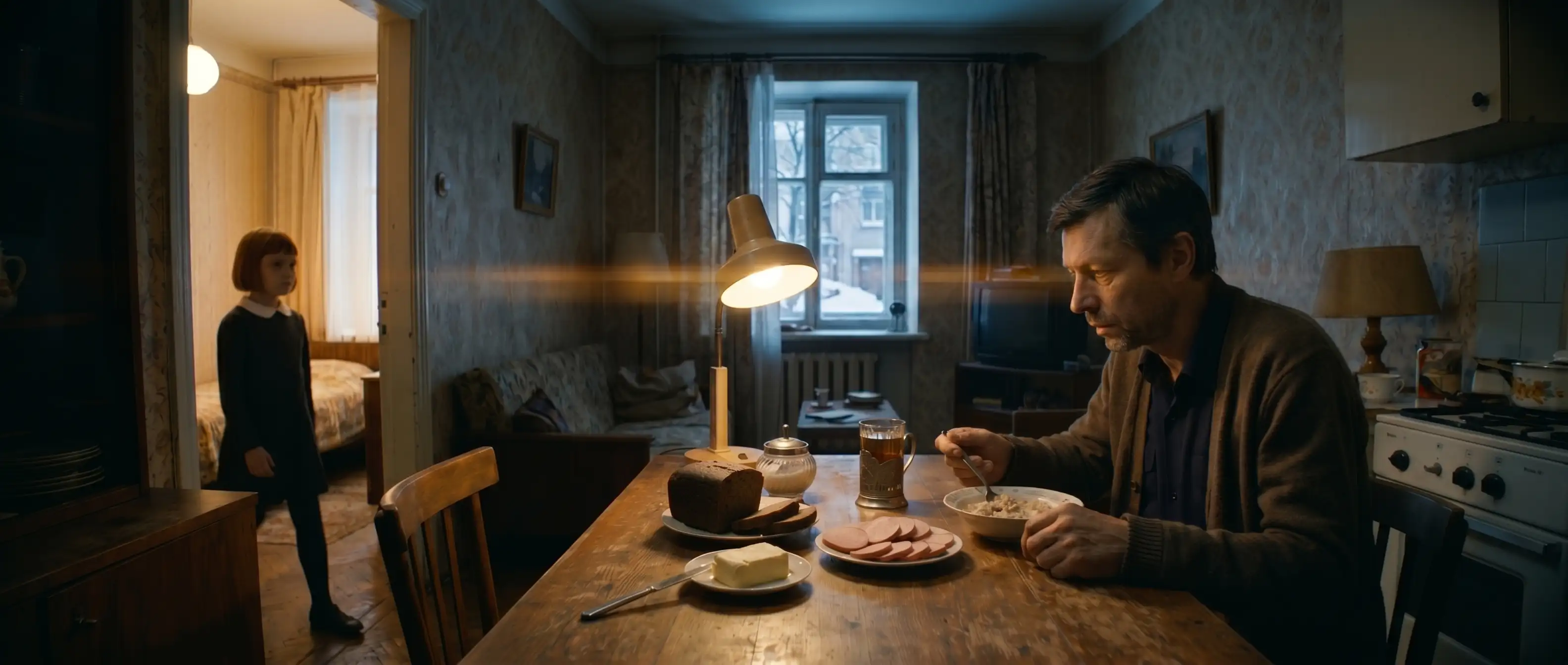
Father stirs his tea. He doesn't say anything. She counts the rotations.
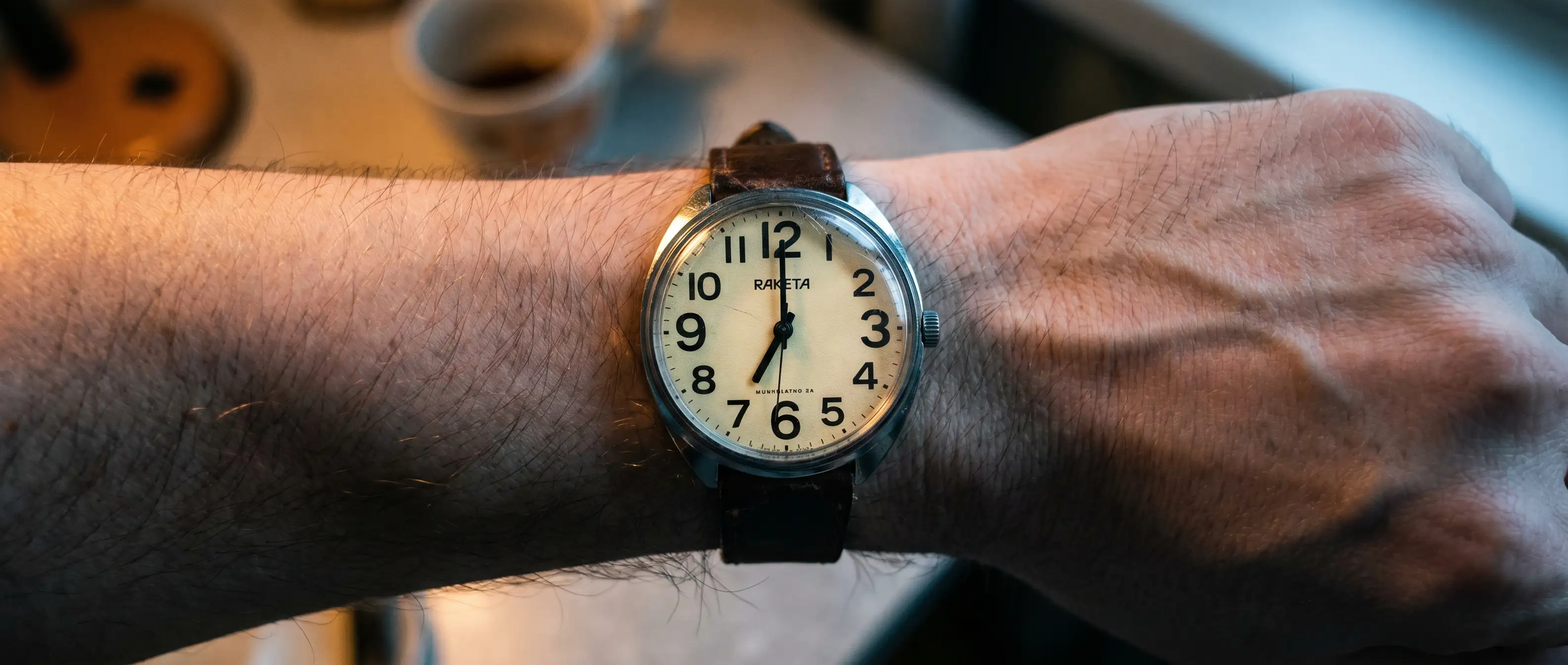
Father's wristwatch. Brass case, sweep-second hand, scratch on the bezel. It will become important.
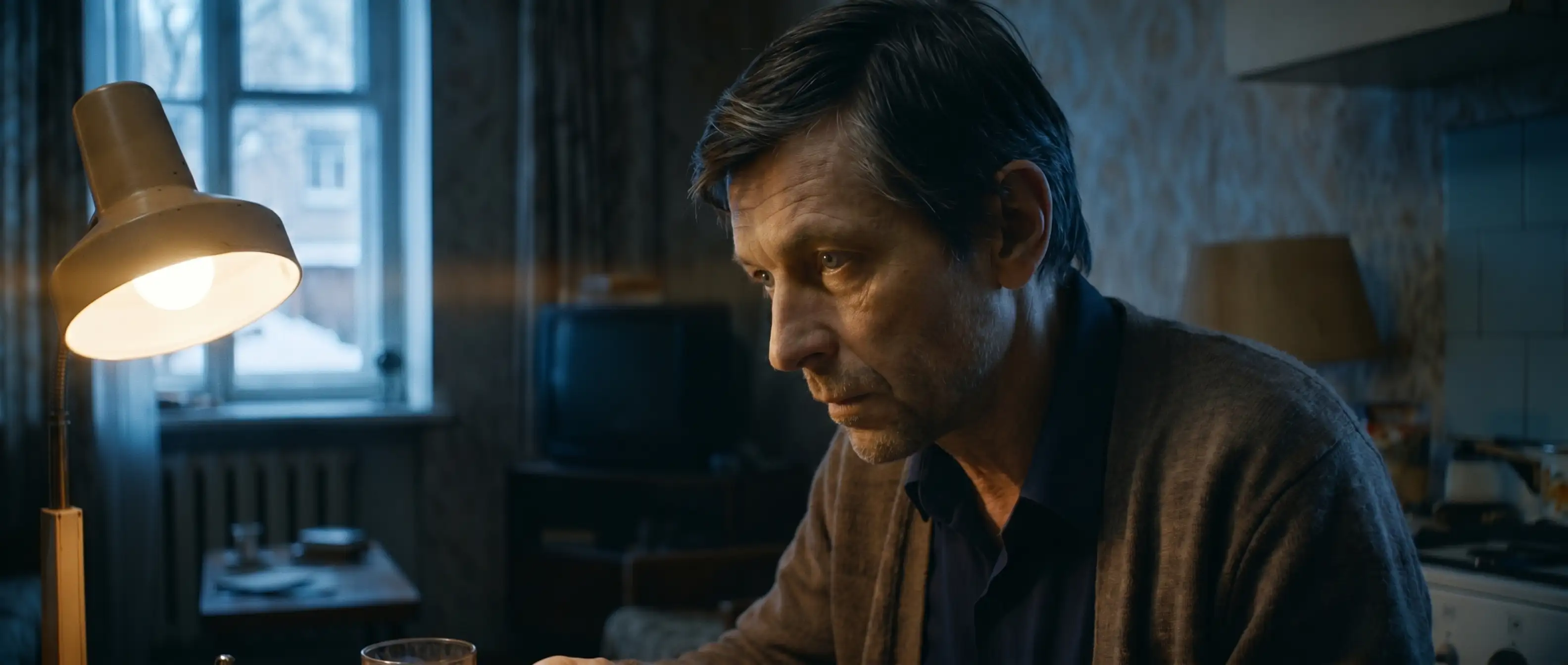
He is not angry. He looks like he's already saying goodbye. She doesn't know that yet.
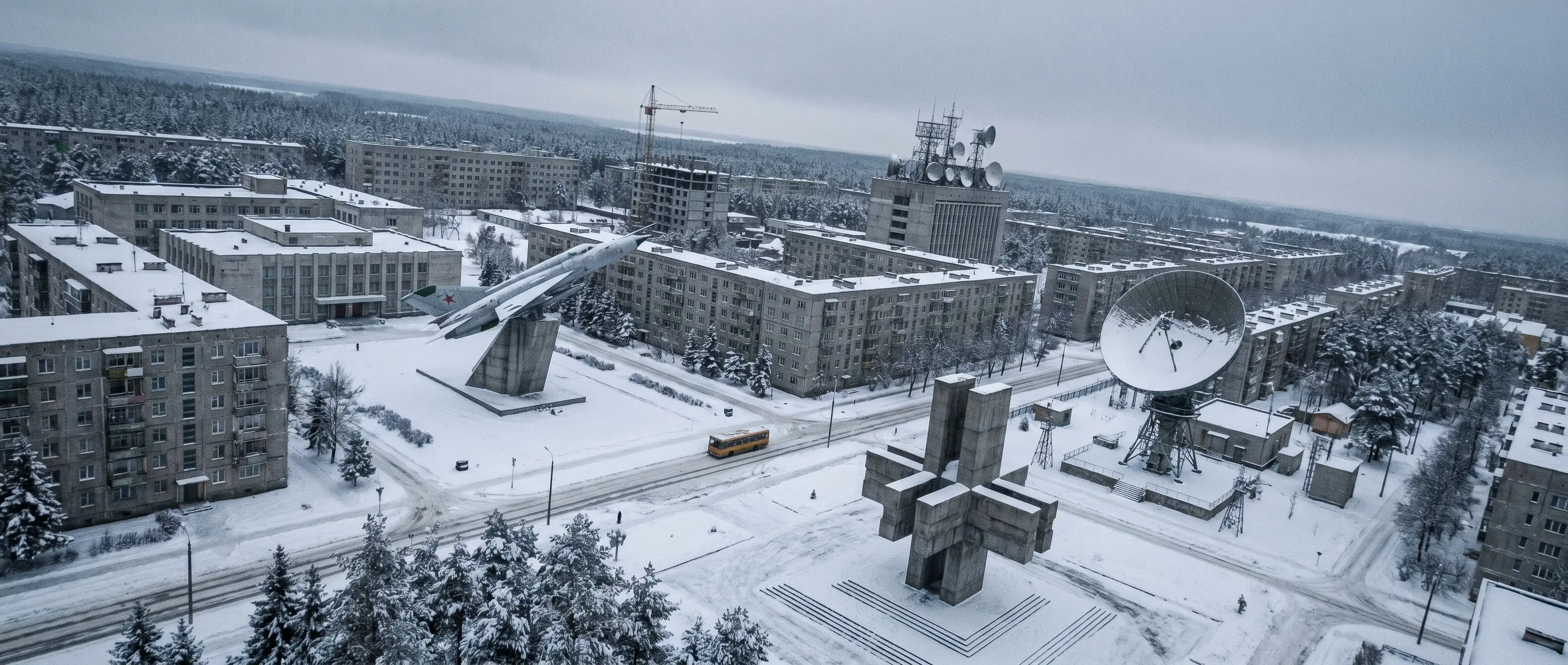
State machine first. Child second. The city's geometry is more honest than its slogans.
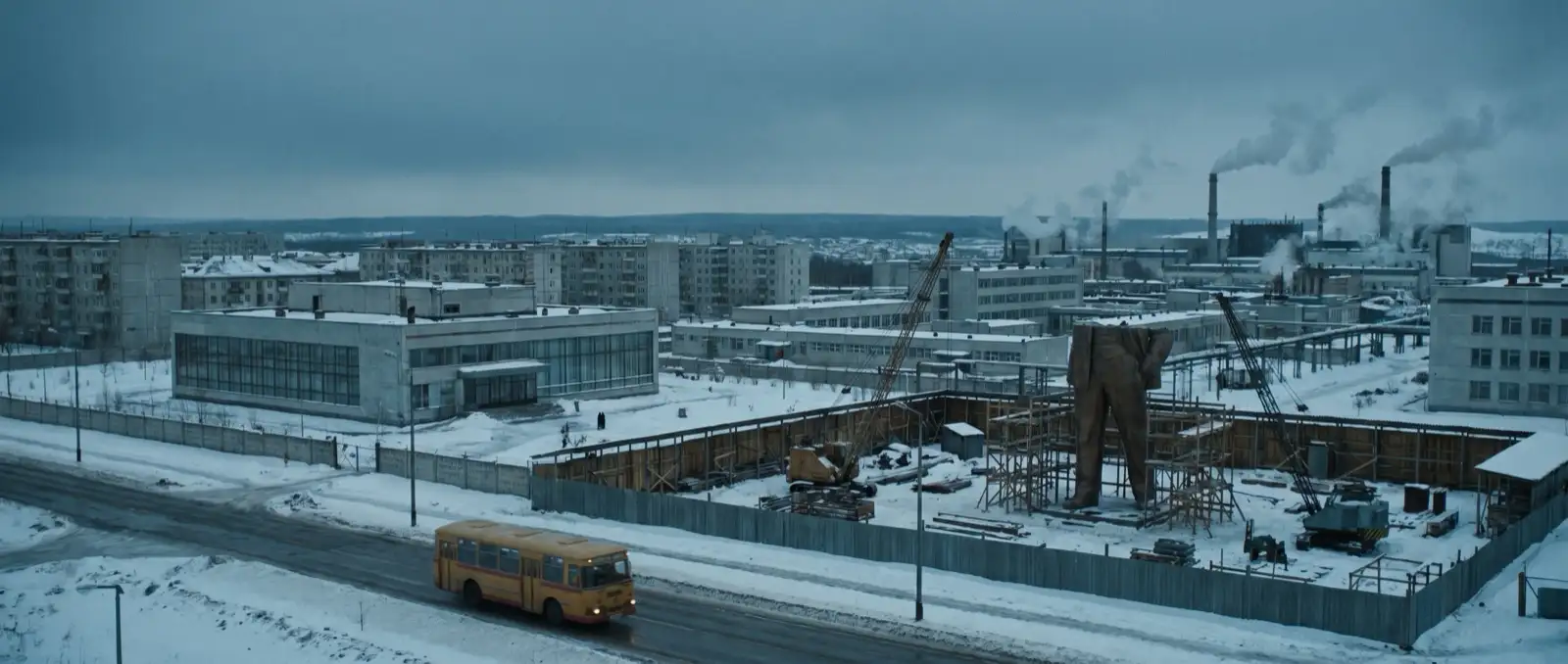
Wide. The whole town in one frame. The system she lives inside is bigger than her. The slogan is unfinished, but the apparatus is complete.
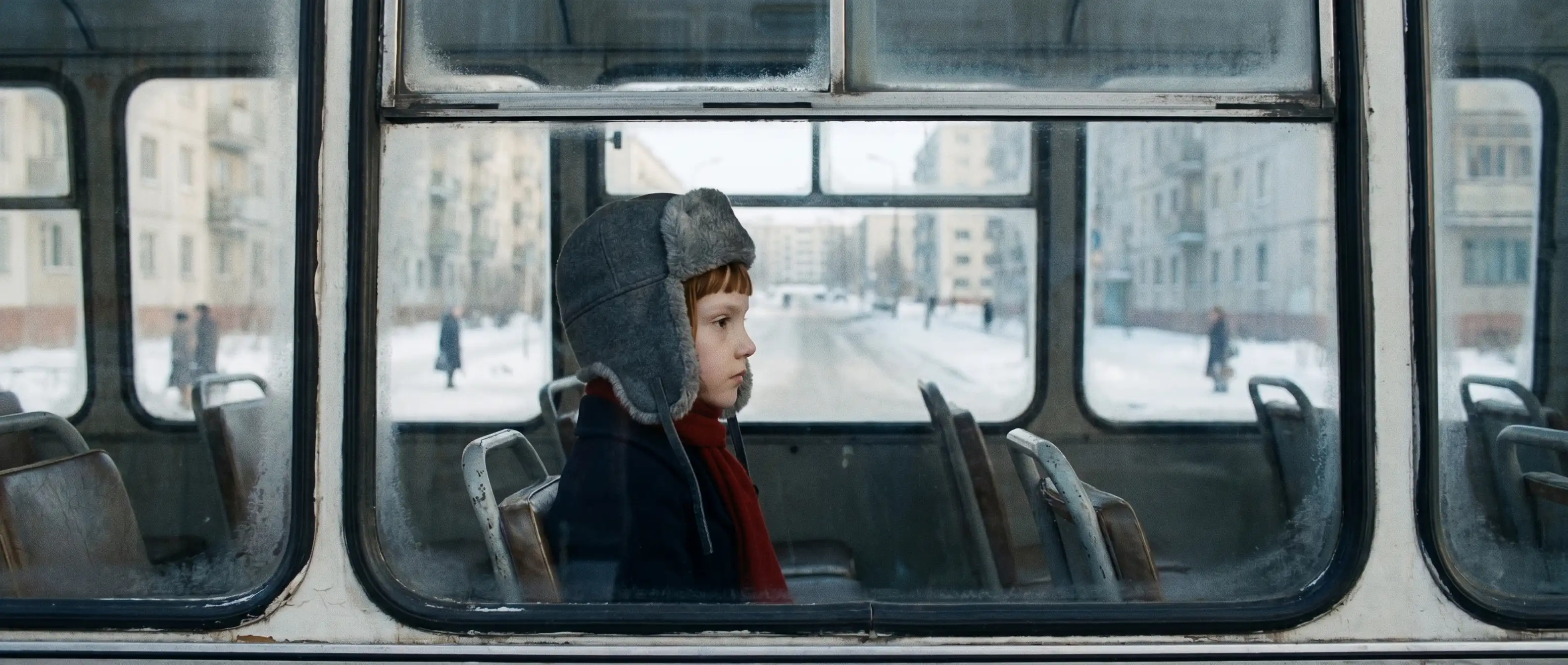
She watches the monument slide past. Her face on the glass. The monument behind it. Two layers.
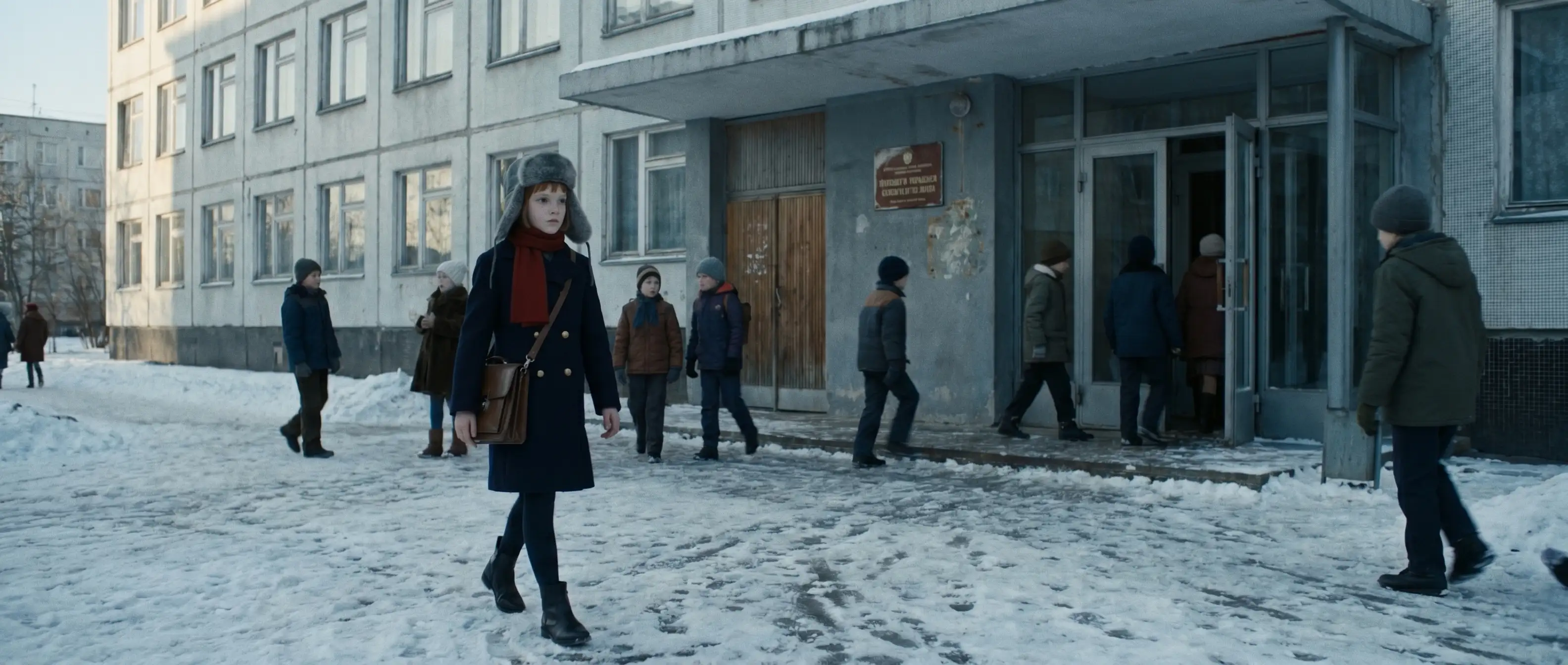
She reaches school. She does not enter the classroom.
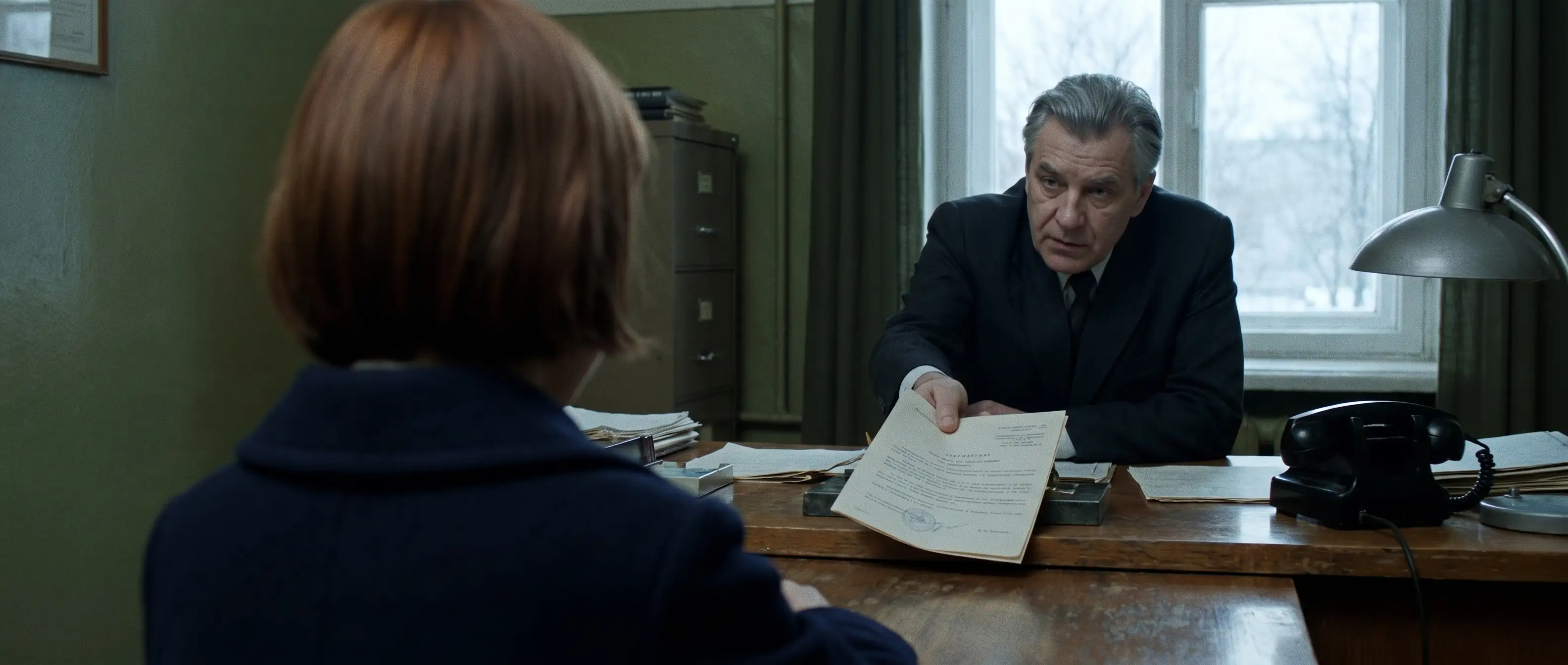
An adult hand passes a Soviet form to a child's hand. The day's destination has changed.
He left the apartment without turning around. He already knew he wasn't coming back.
She is taken to a Pioneer Palace test. She has been told she is being evaluated for a special program. The test is a card-flipping game watched by an inspector. What happens during the test does not yet have a name. What happens to the room afterward does.
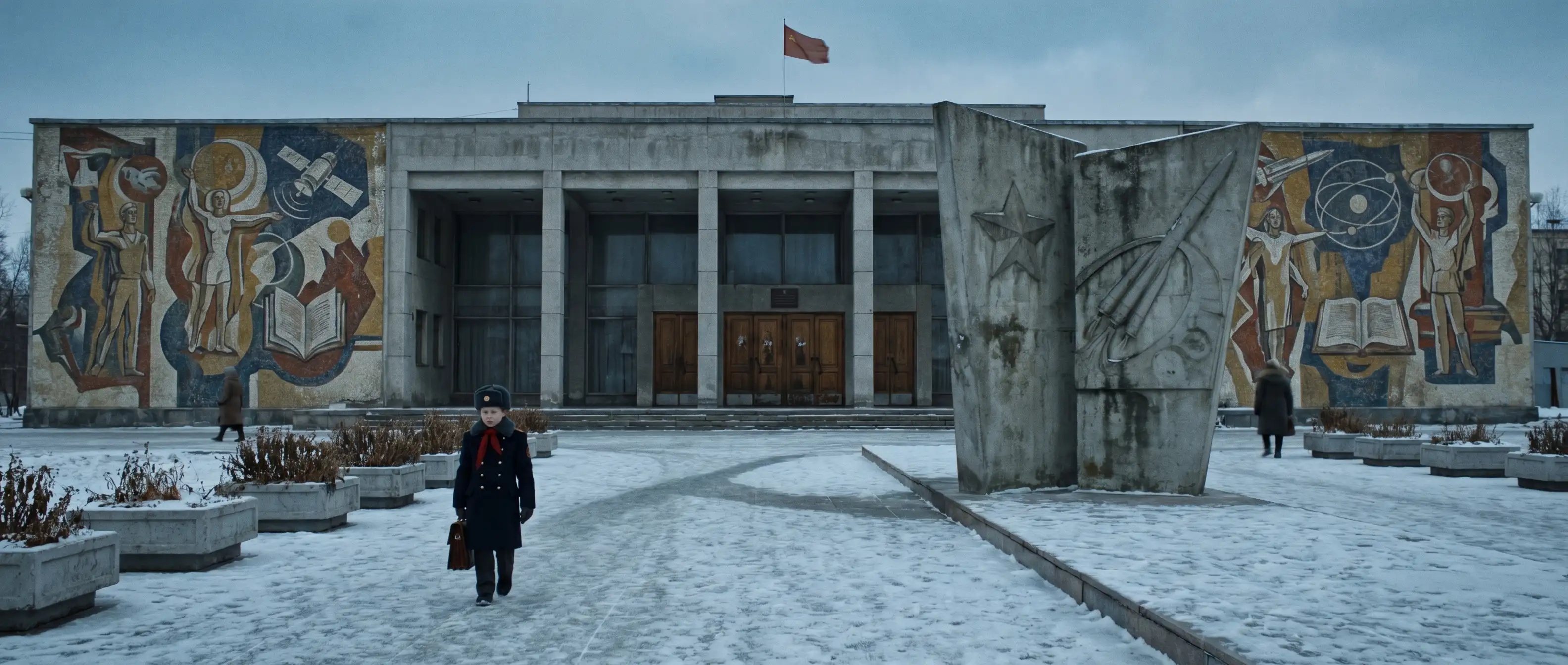
The building is bigger than the institution it serves. A cosmonaut statue. Boots crushing snow.
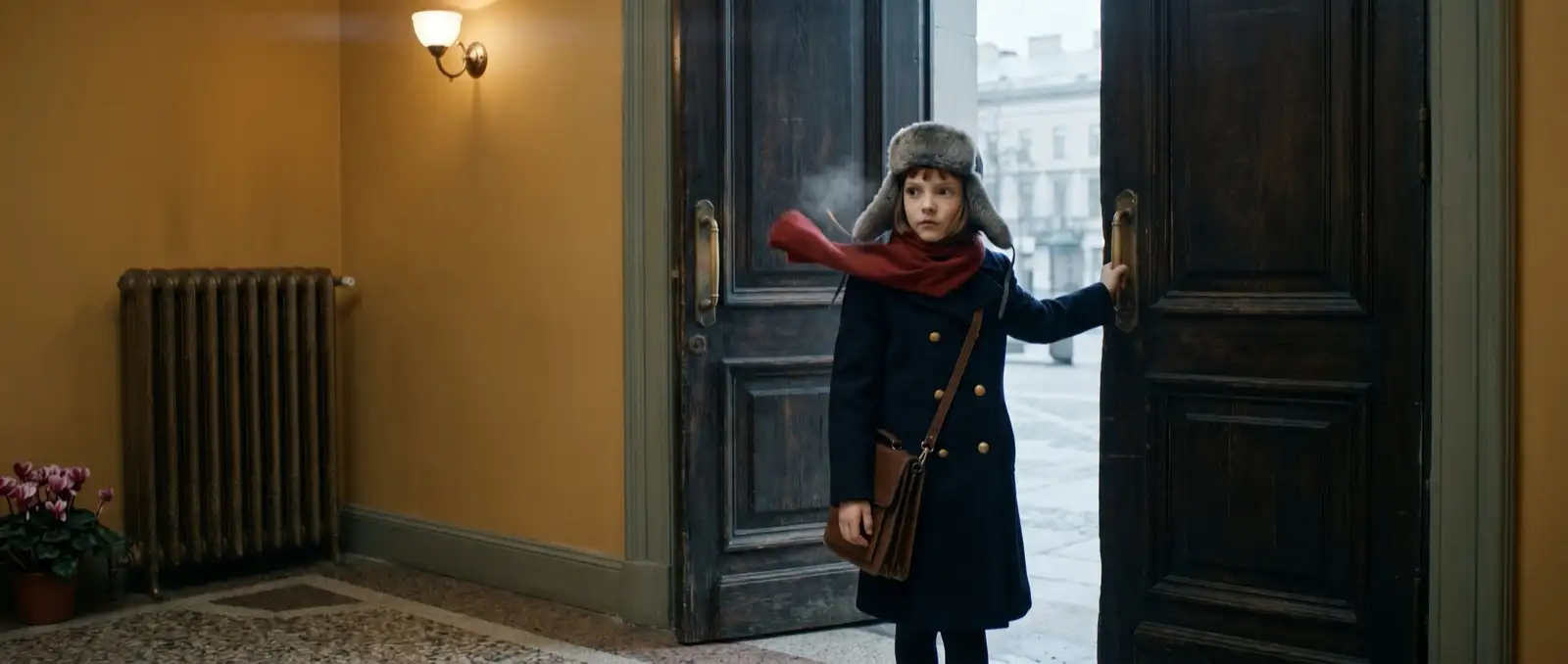
Heavy brass handle. The institution announces itself before any adult speaks. She pushes it with her shoulder. The shoulder remembers, the hand doesn't.
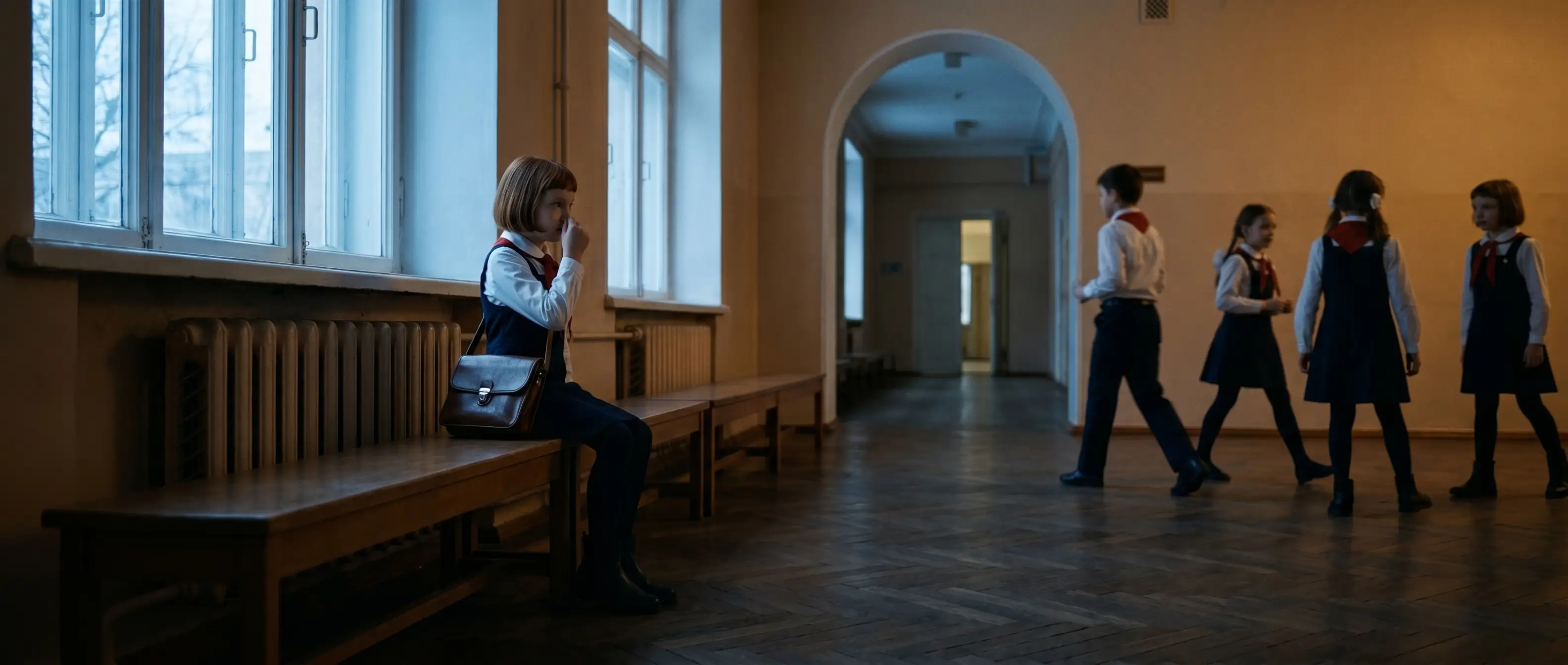
Other children are quiet in a way that adults notice. Mira is quiet in a way only children notice.
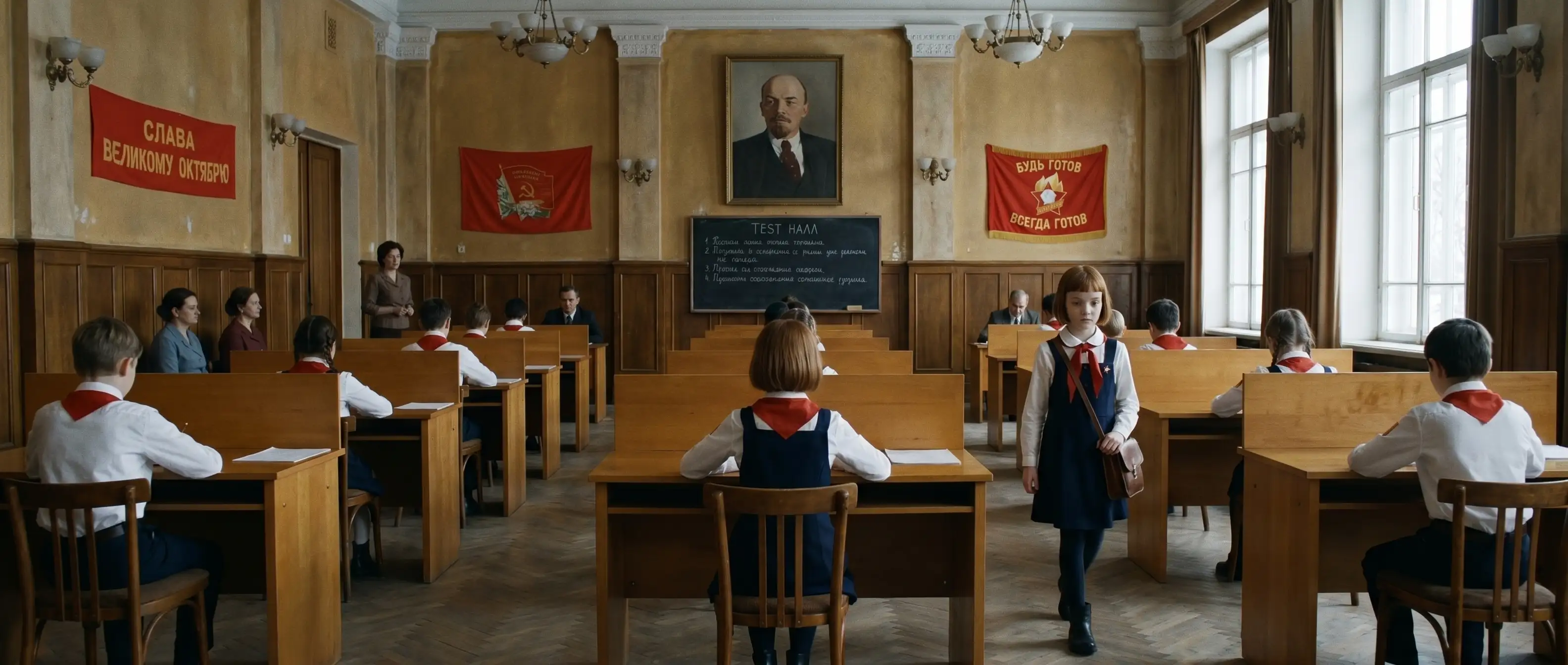
The test room is too clean. The blackboard reads in two languages. Neither of them is for a nine-year-old.
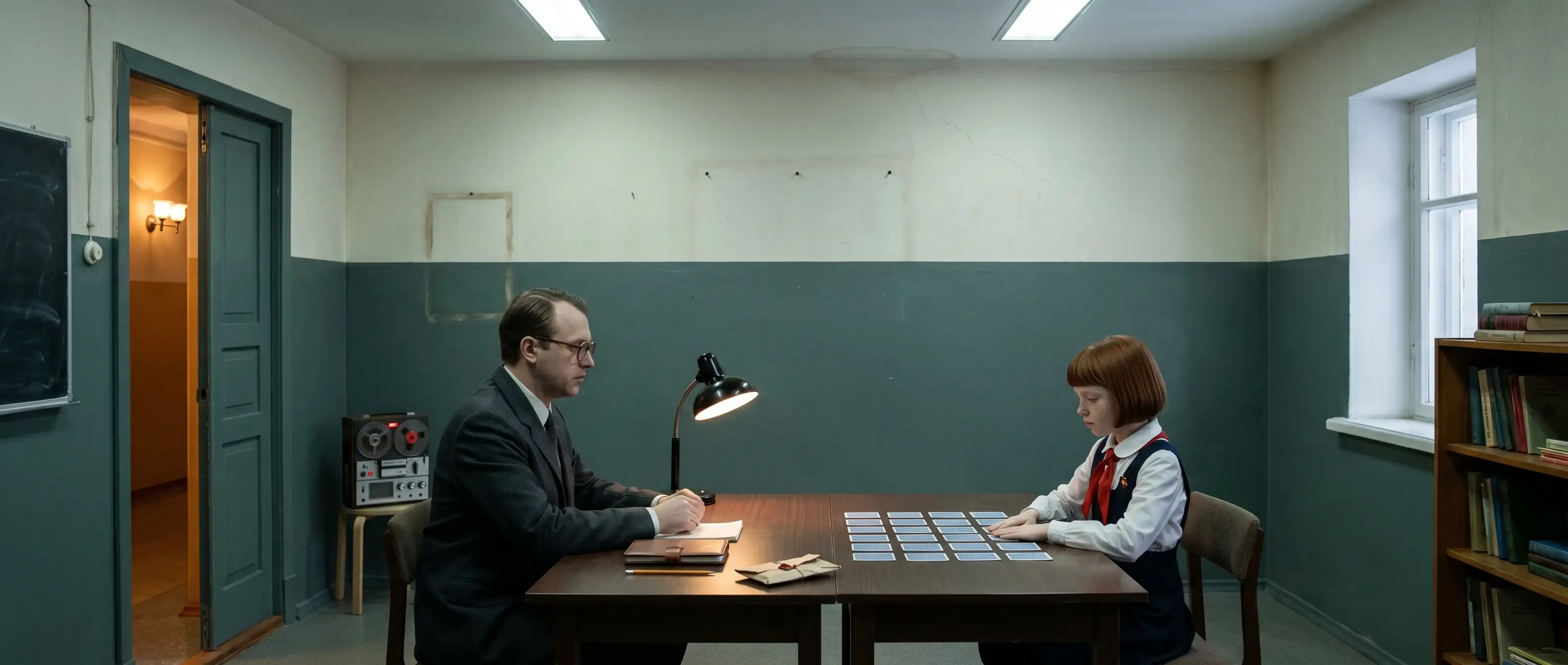
A reel-to-reel begins to turn. The inspector writes one number per card. There are fifteen cards. There should be fourteen.
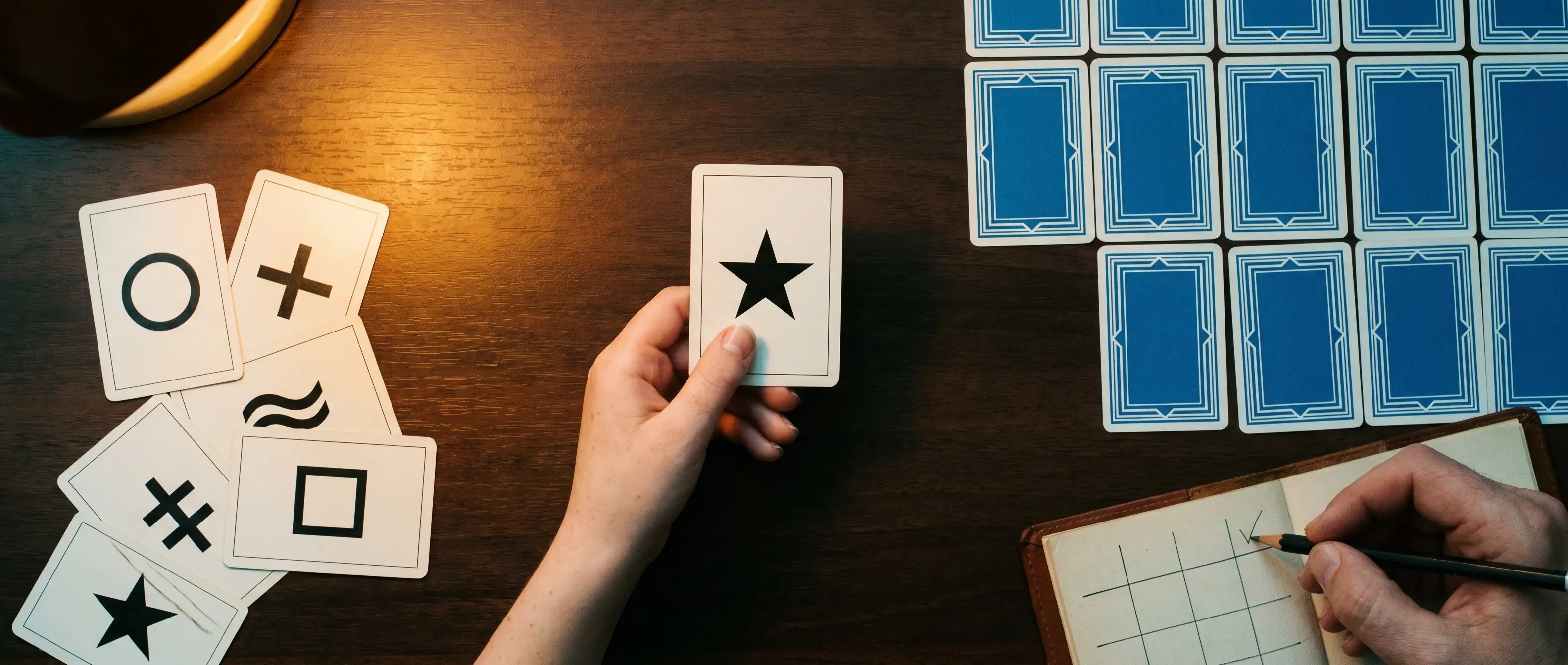
She turns it before the inspector says "next." The room temperature drops half a degree.
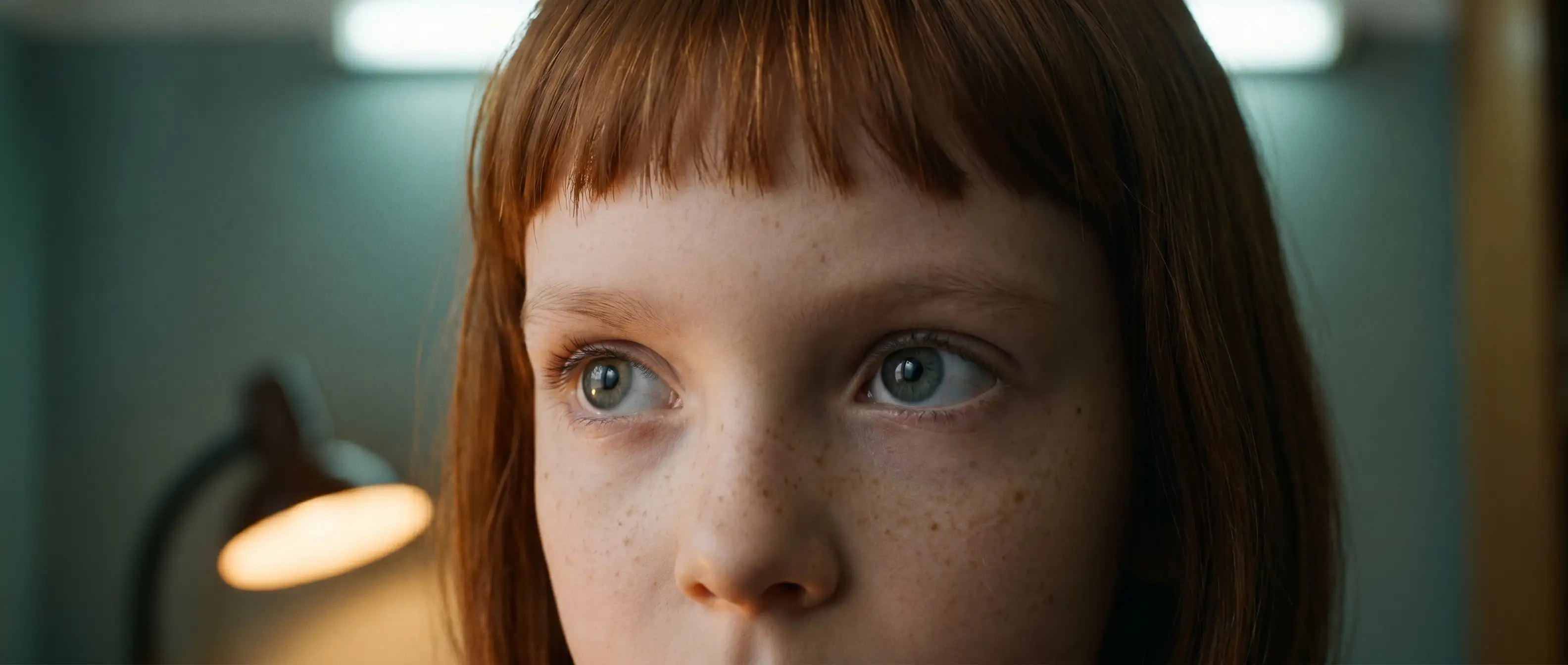
For 1.5 seconds her face is not the face of a child. The inspector looks up. She looks back.
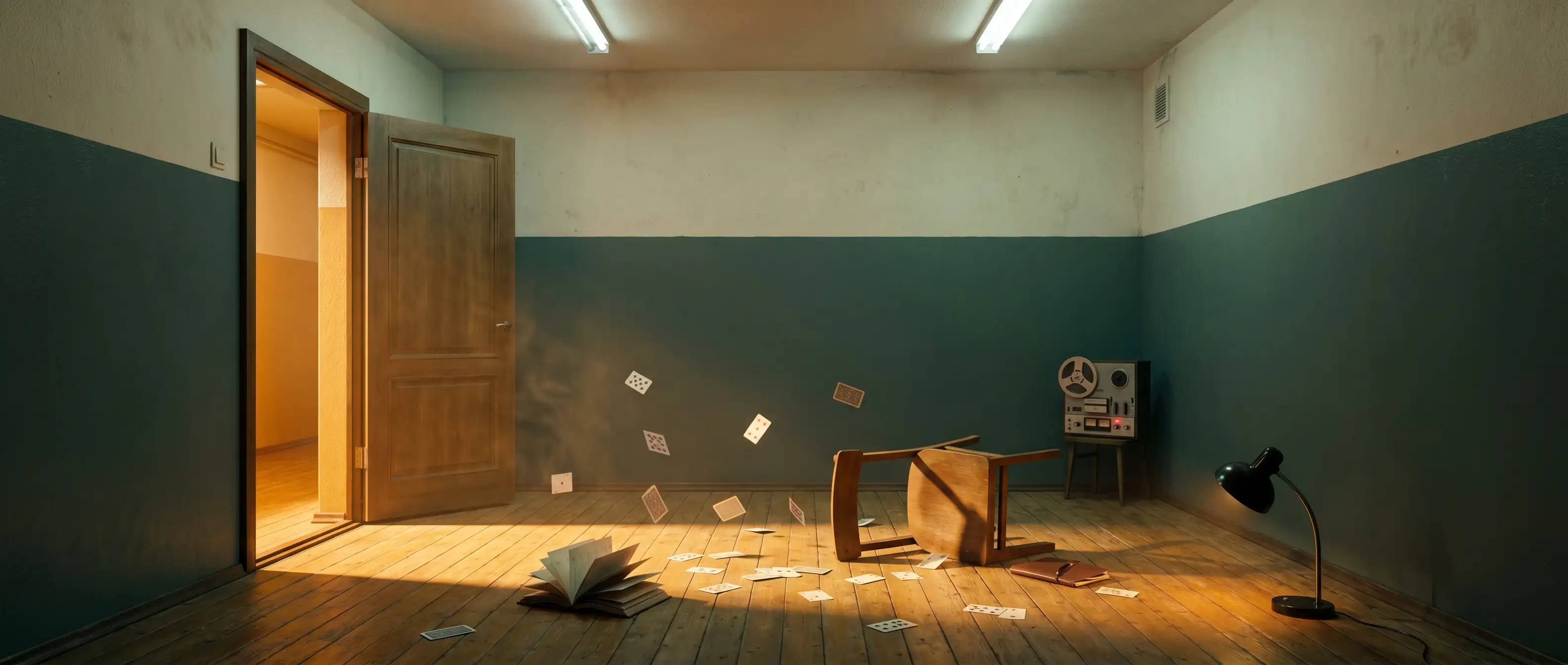
The window frosts crack. The thermometer rises three degrees. No fire. No source.
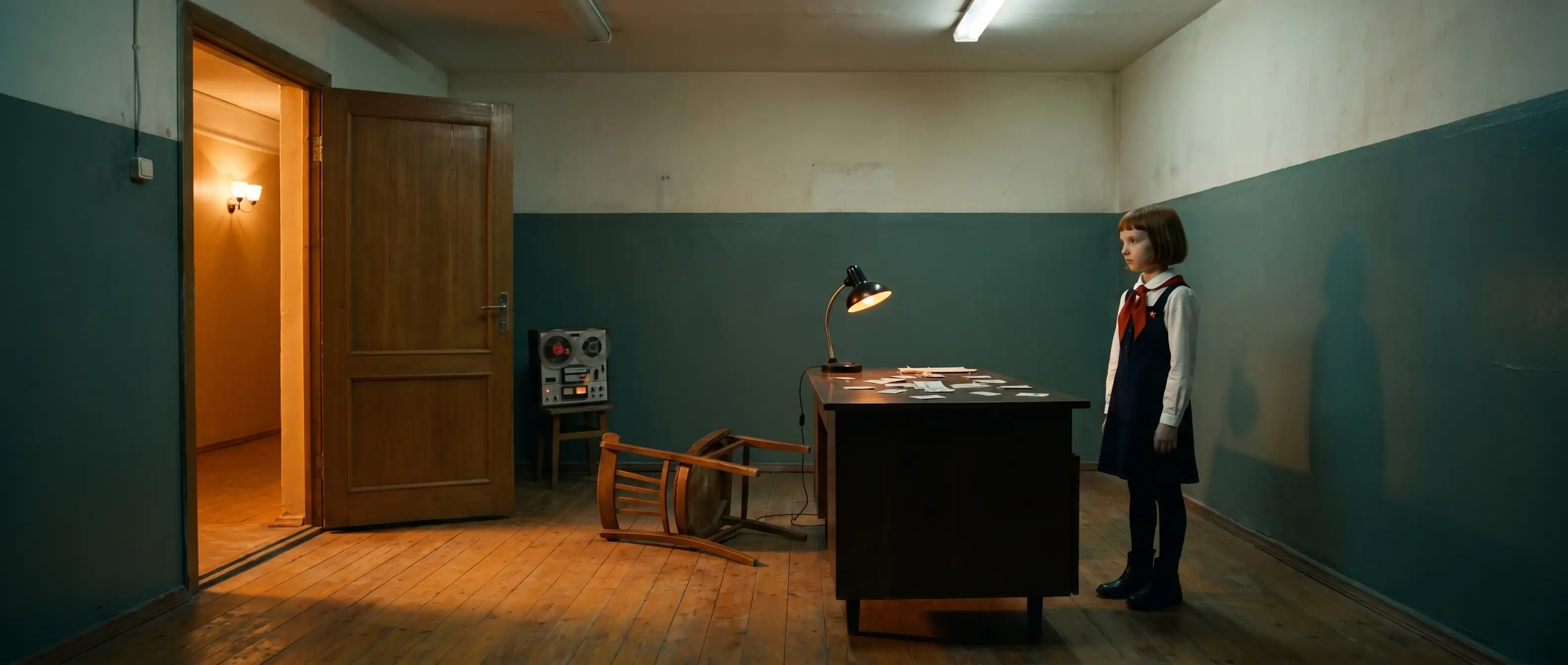
The adults left in a hurry. The recorder is still turning. She is not crying. She is counting.
She did not pass. The test was not actually about cards.
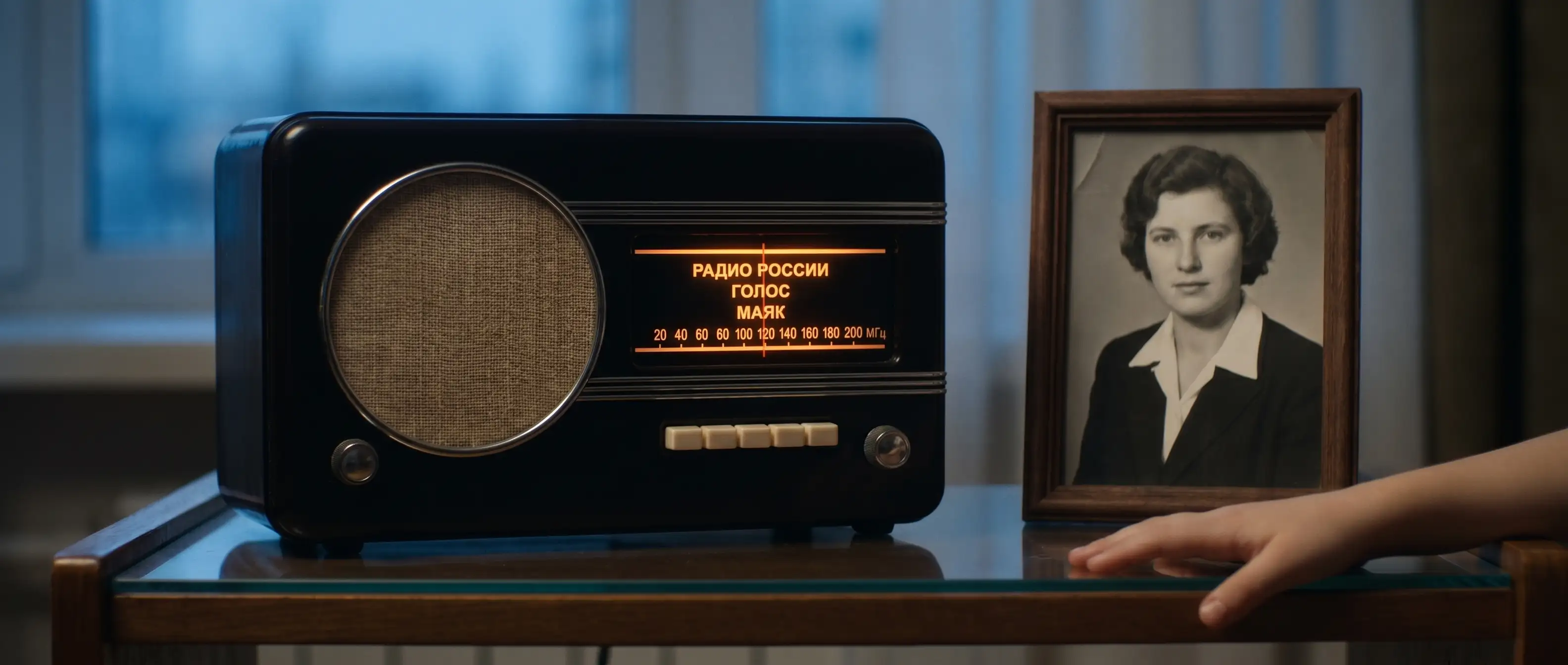
She walks home alone. The bread shop won't sell her bread. The neighbor doesn't open the door. The radio in her apartment still works — but the seven o'clock broadcast has been replaced by something else, and there is a piece of fig candy in the seam of the dial.
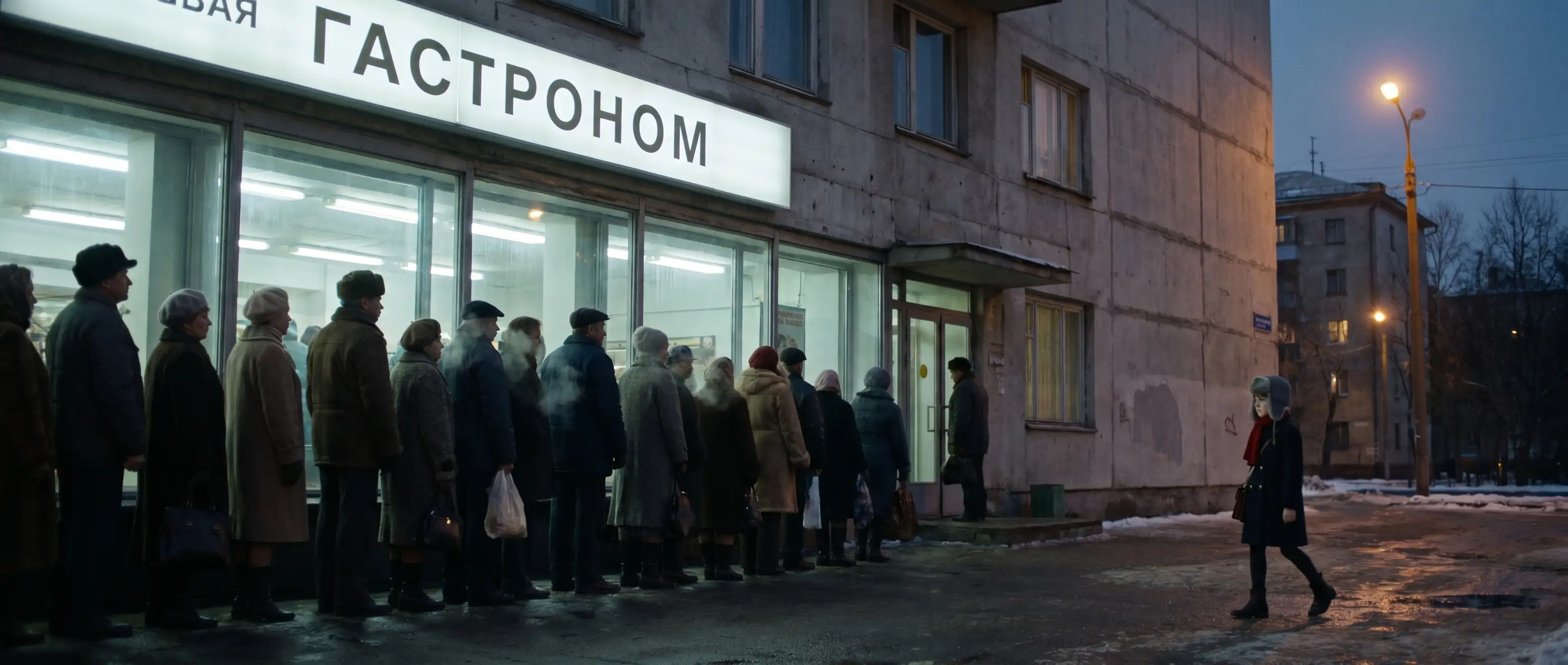
Her ration card is no longer in their ledger. The clerk doesn't look at her face.
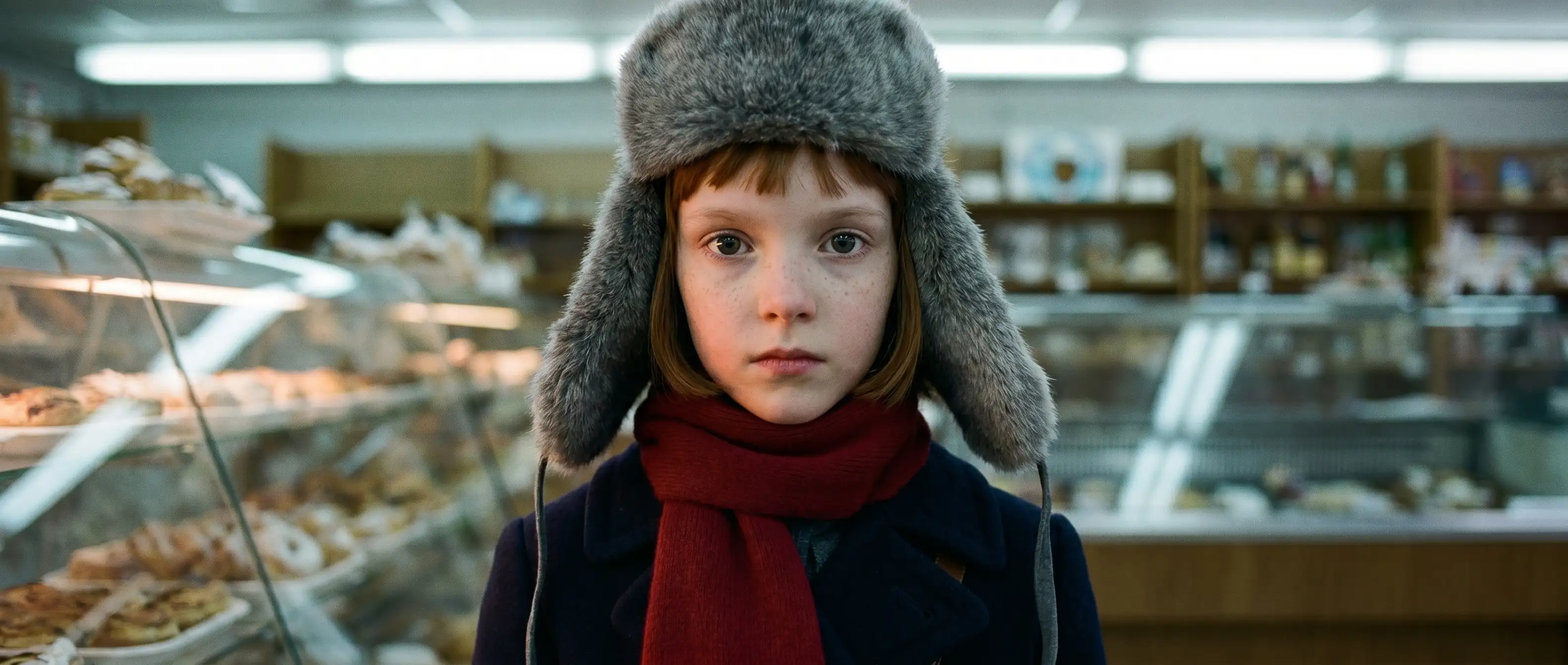
Not crying. Just the body's first honest report.
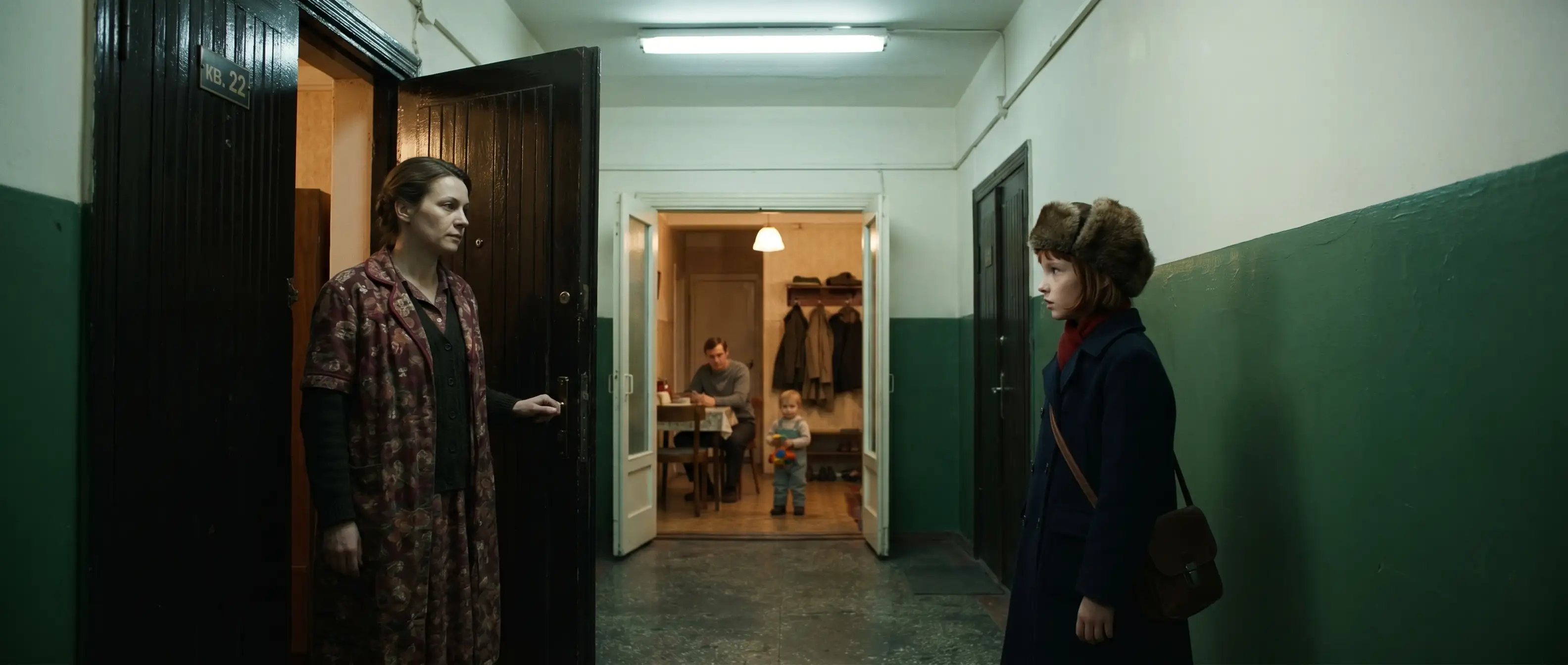
A woman she has never seen opens her neighbor's door. The apartment number on the frame is correct. The family inside has been replaced.
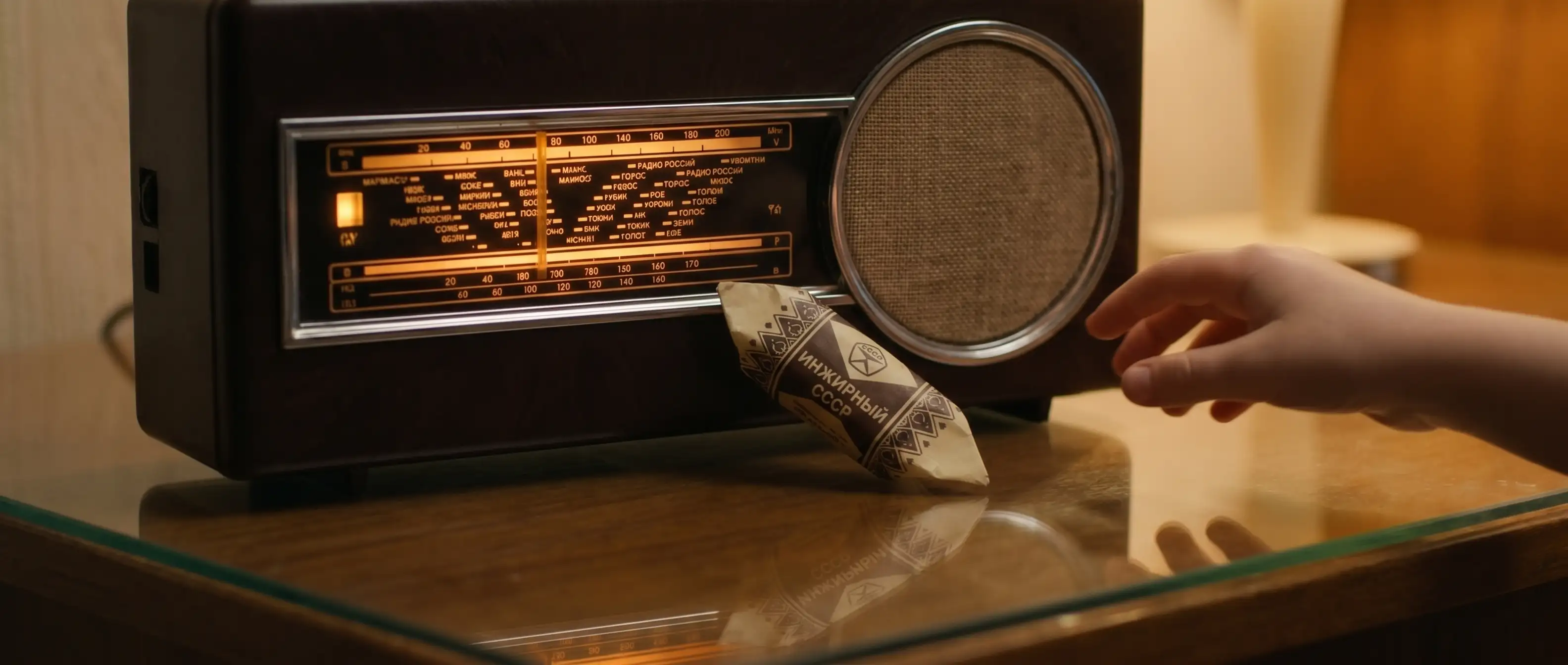
The seven o'clock broadcast cuts out. A piece of candy falls from inside the radio's seam.
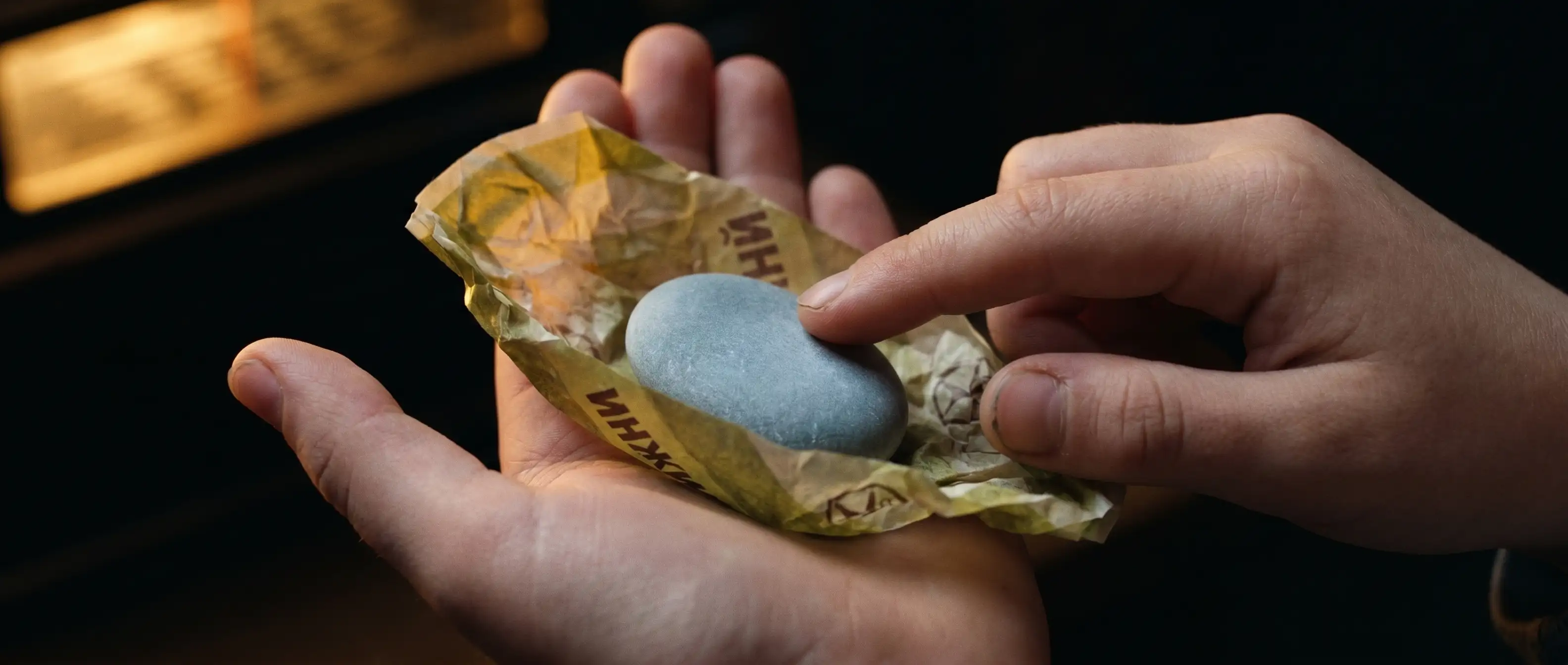
Not candy. A small, smooth pebble. Wrapped in a fig candy's wrapper.
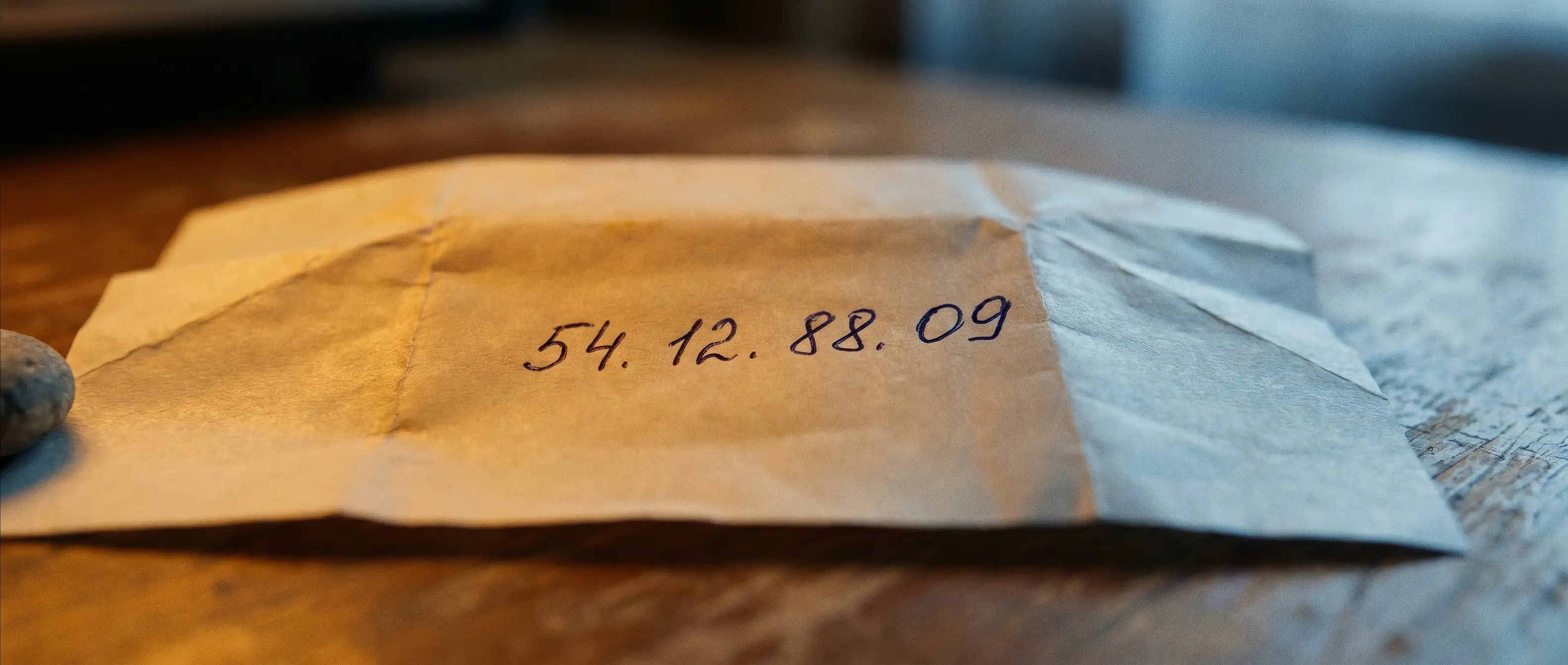
Father's handwriting. Three words she will not be able to read for seven years.
She is nine. The room has stopped pretending.
She tries the phone booth. KGB officers come up the building's stairs. She hides in the boiler room until a woman she has been told never to trust knocks on the door using a rhythm she has been told never to forget.
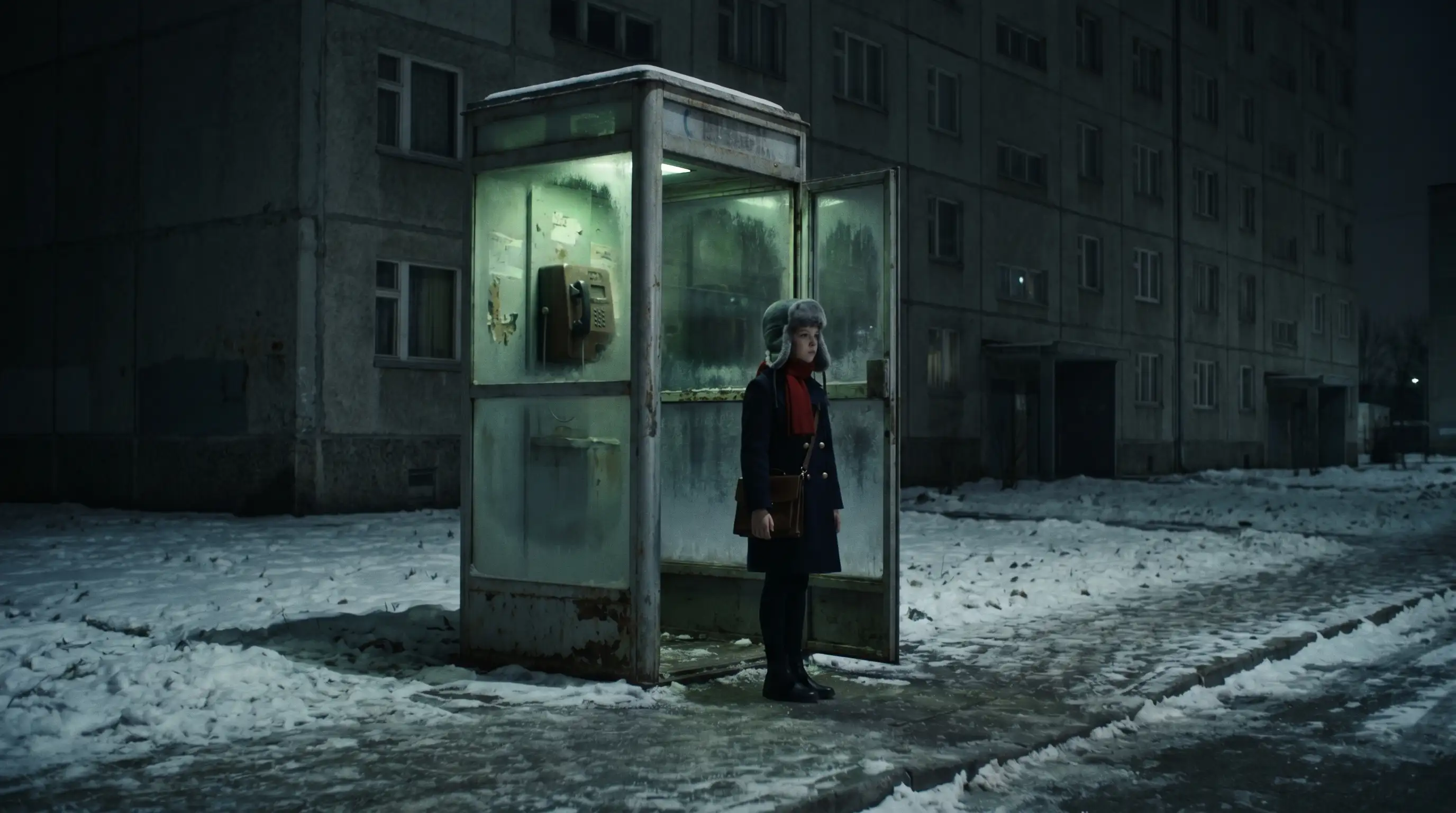
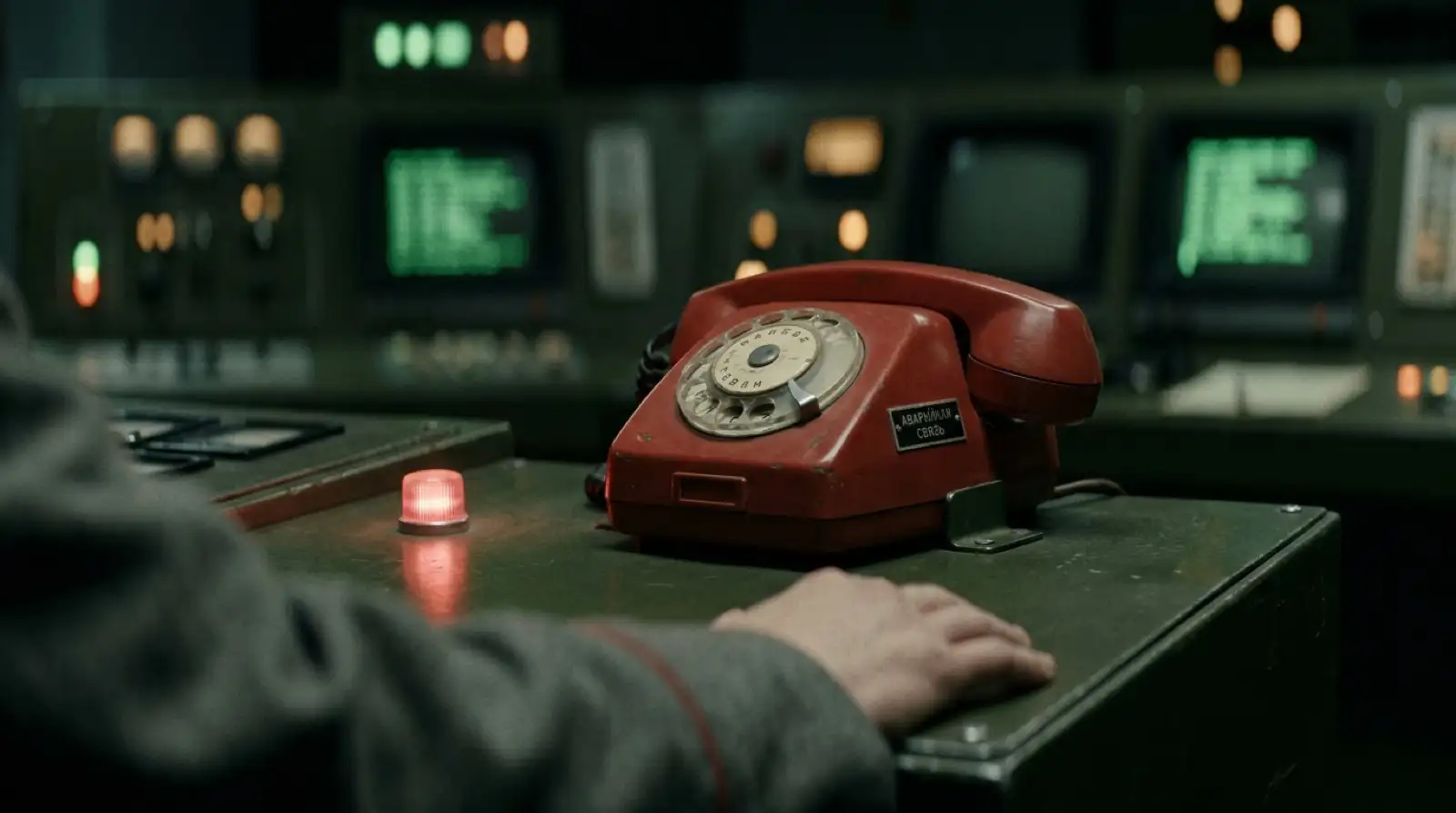
Glass cracked. Power station humming behind. She dials the number from memory.
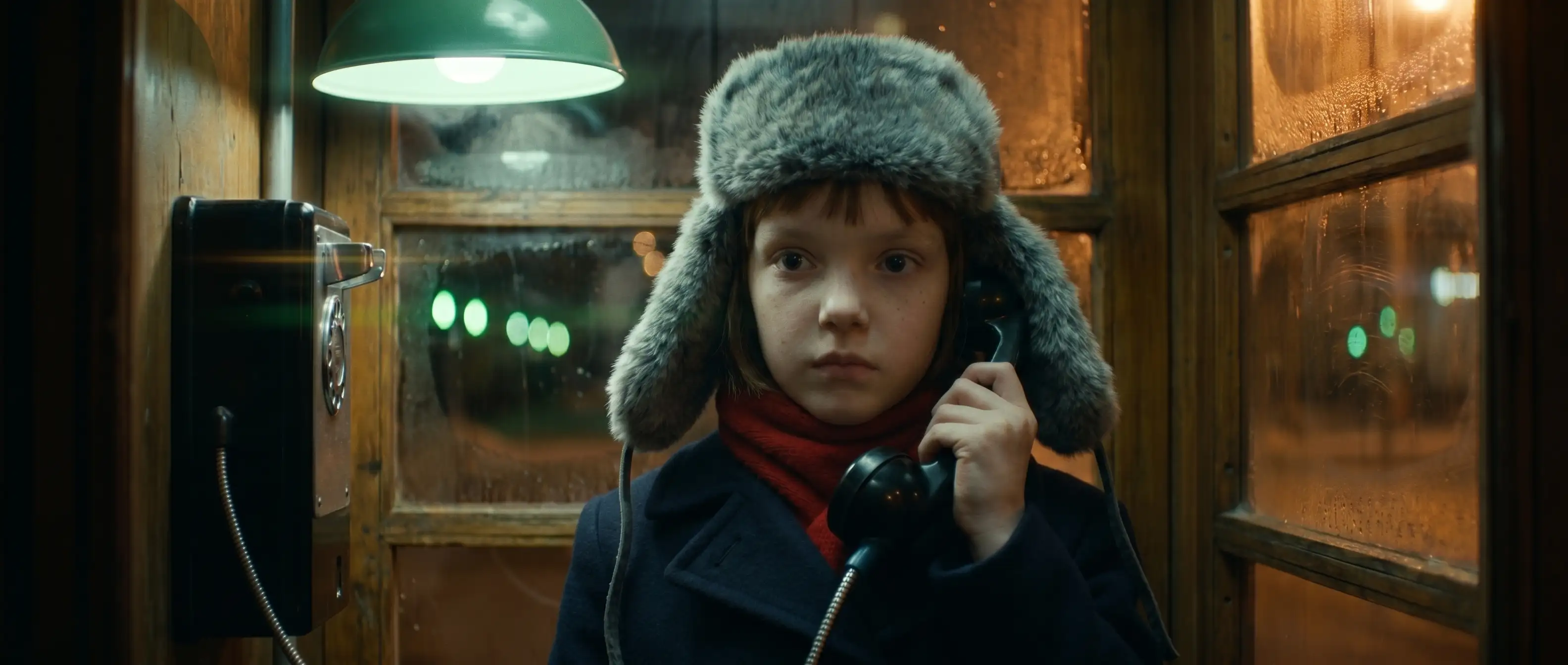
The voice is calm and informed. He has been waiting for someone to call this number. He just hoped it wouldn't be her.
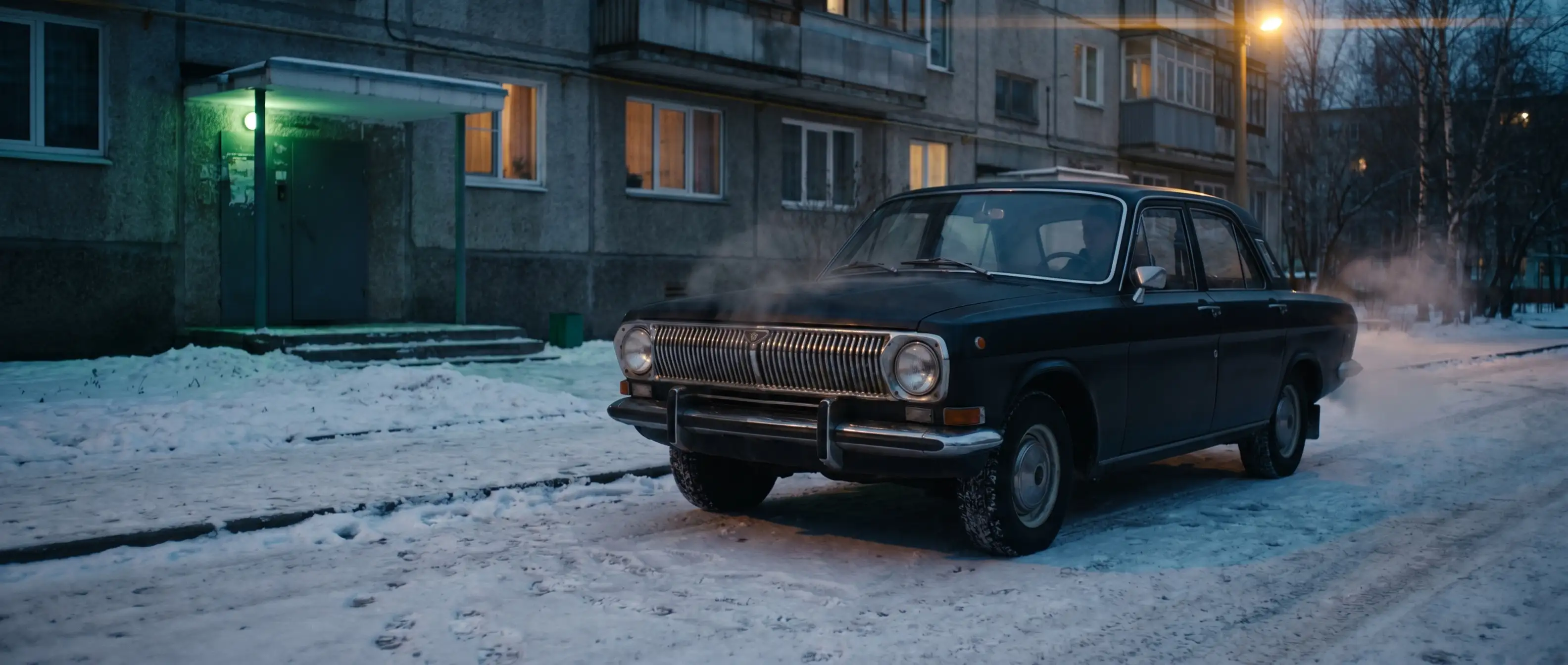
Black GAZ-24. Engine running. No one inside. Yet.
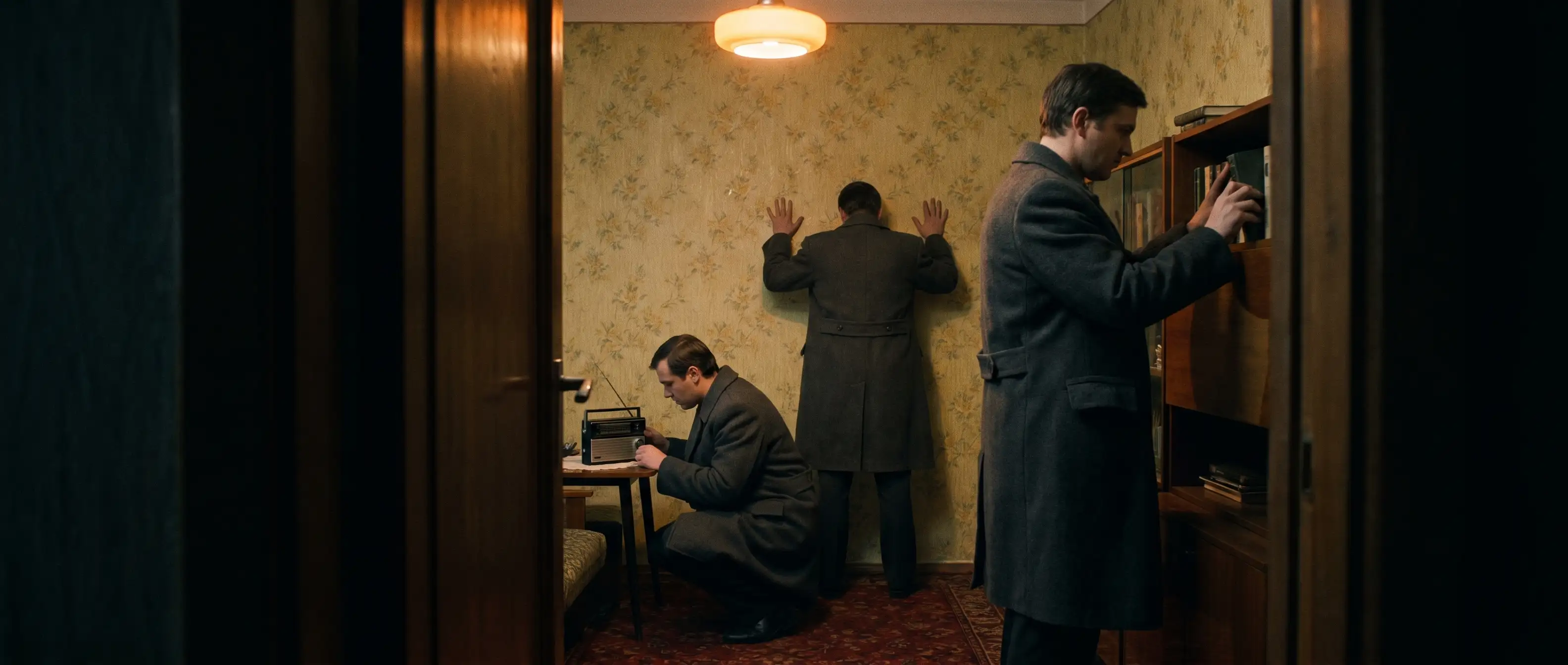
Three men. They are not looking for her — they are looking for what her father left.
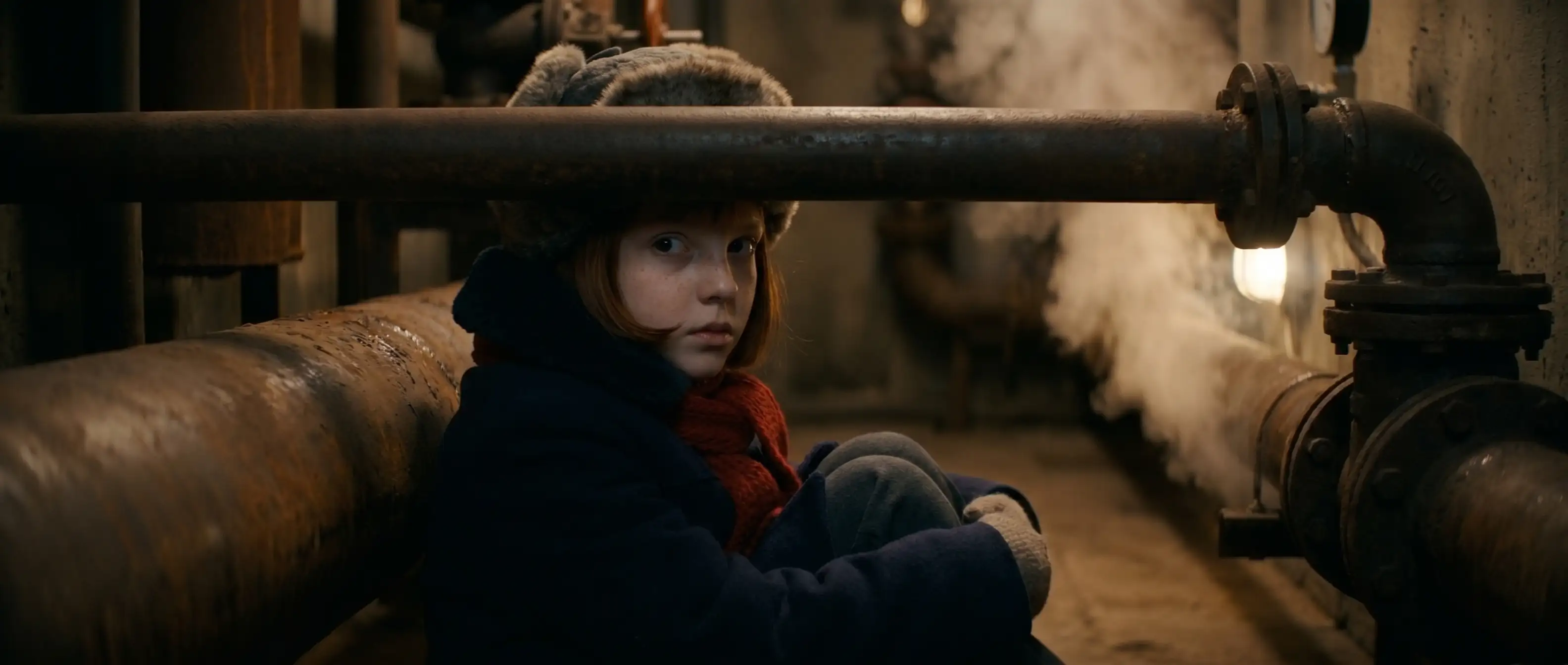
Cold concrete. Wool socks soaked through. The pressure gauge reads 4.2 bar. She counts the gauge ticks.
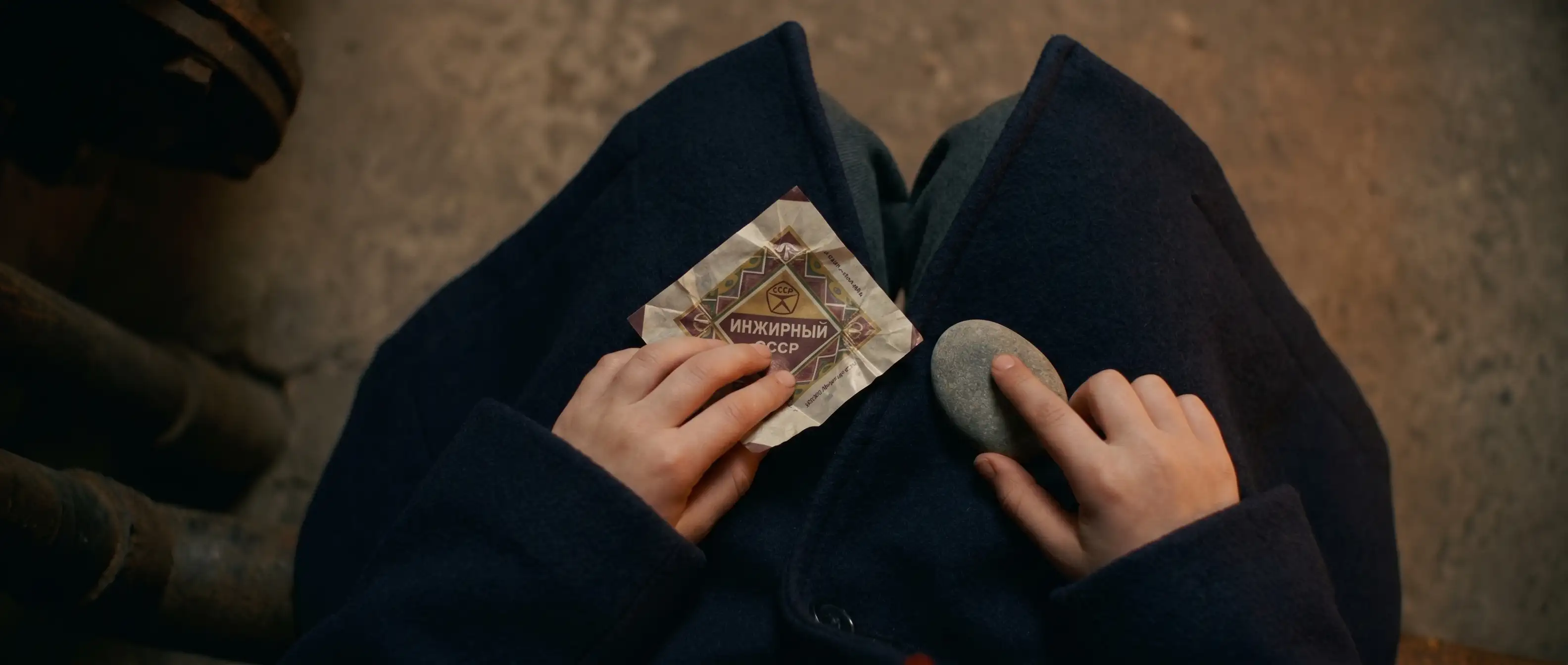
She has unwrapped the candy. The wrapper is folded in her palm. The pebble is on her knee. She has decided to keep both.
A woman drives her into the mountains. The drive is long. The conversation is shorter. At the end of the road there is a building that is not on any map, and inside the building there is a room, and inside the room there is a mirror that is not a mirror.
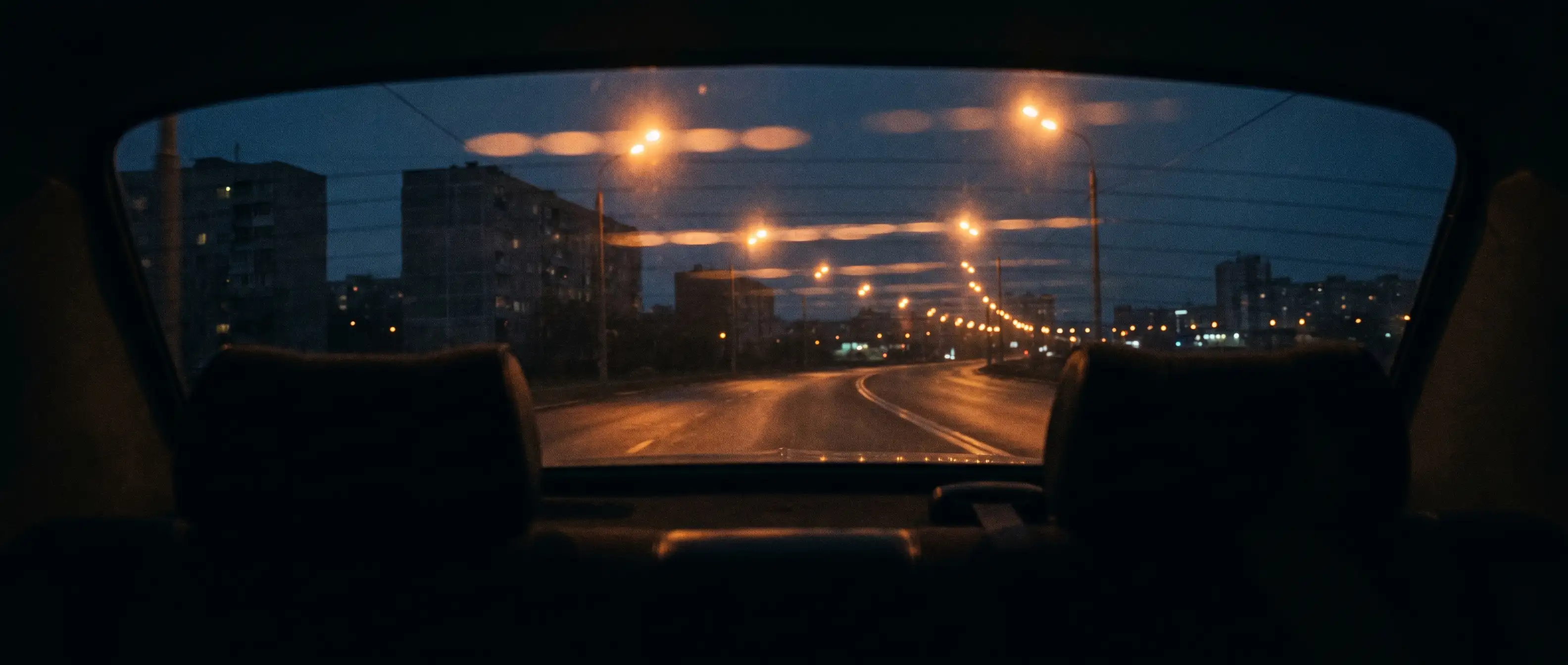
Tail lights. Sodium-vapor orange. Snow falling slowly enough to count.
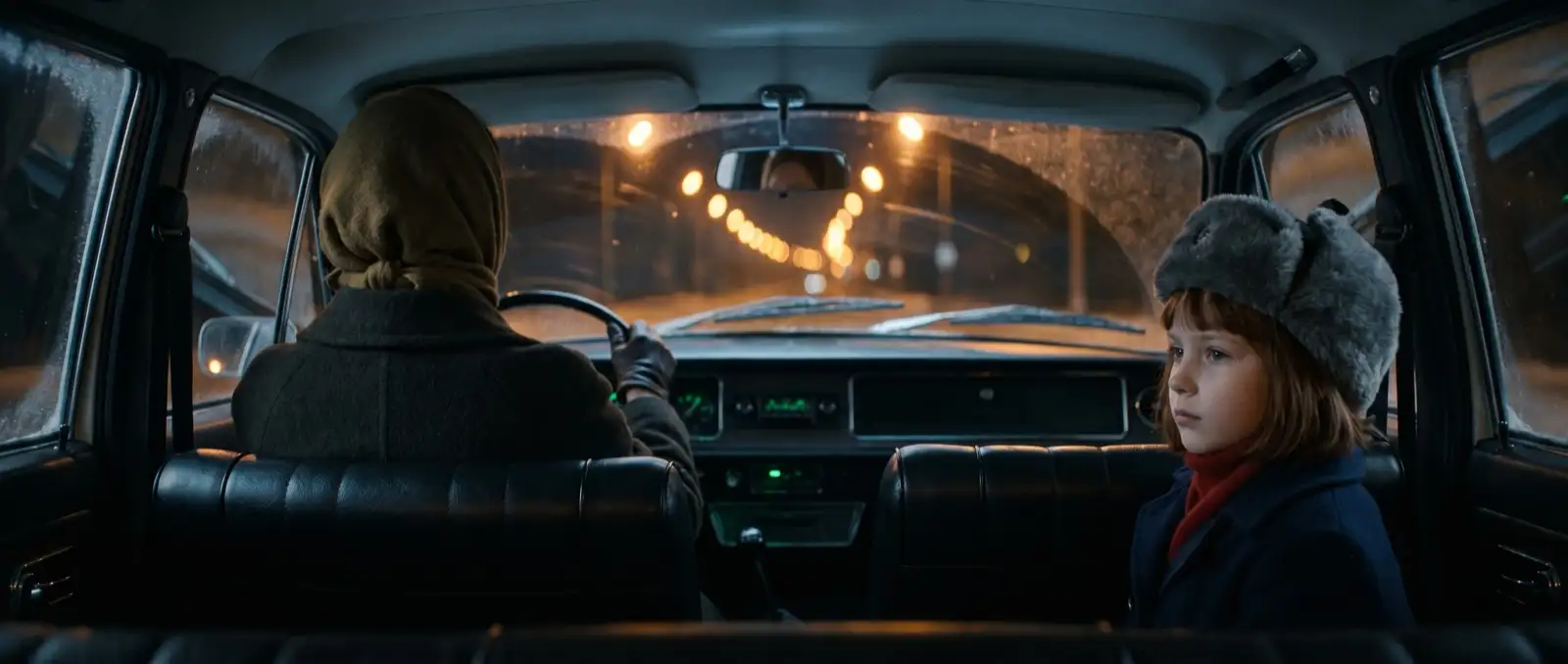
Yelena explains exactly half. The other half is on the other side of the room they are driving toward.
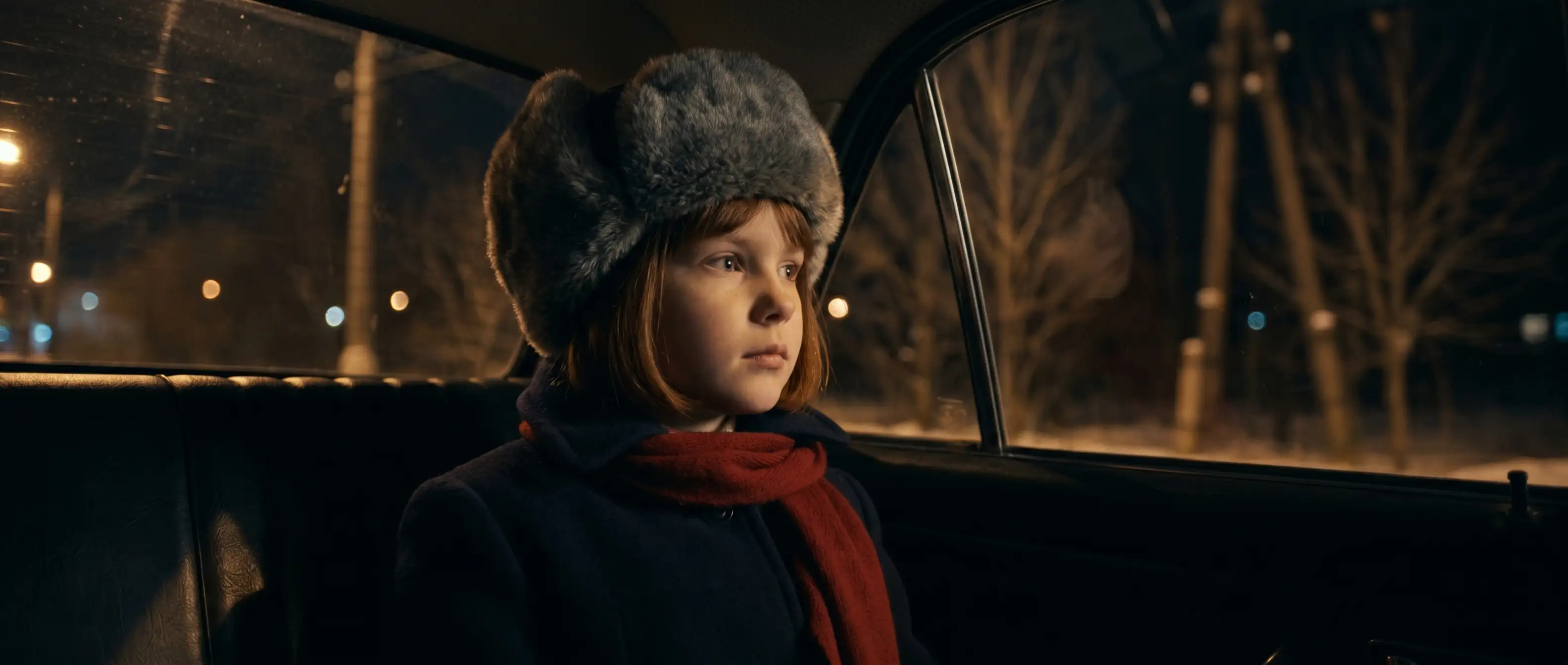
She does not cry. She counts. This is her body's first language.
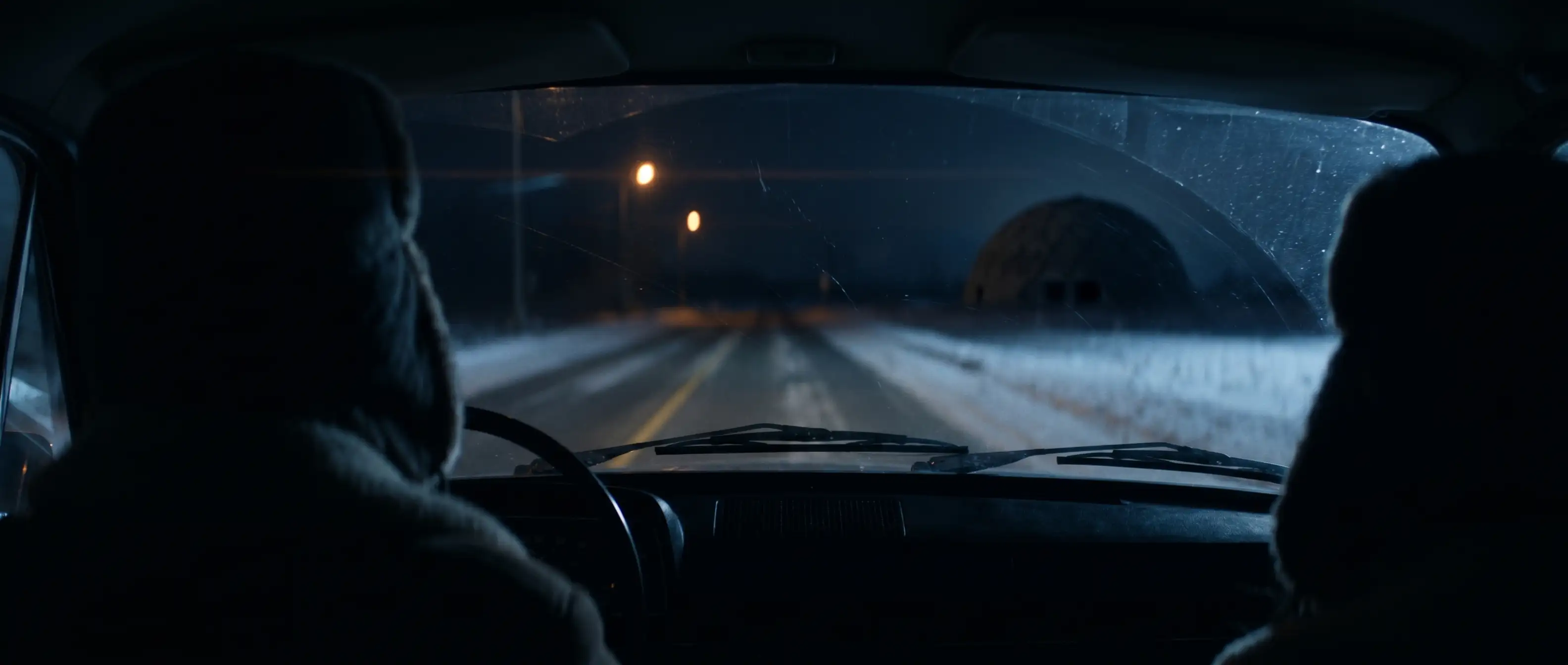
Through the windscreen. Snowfield. Moonlight. A geometry that should not be there.
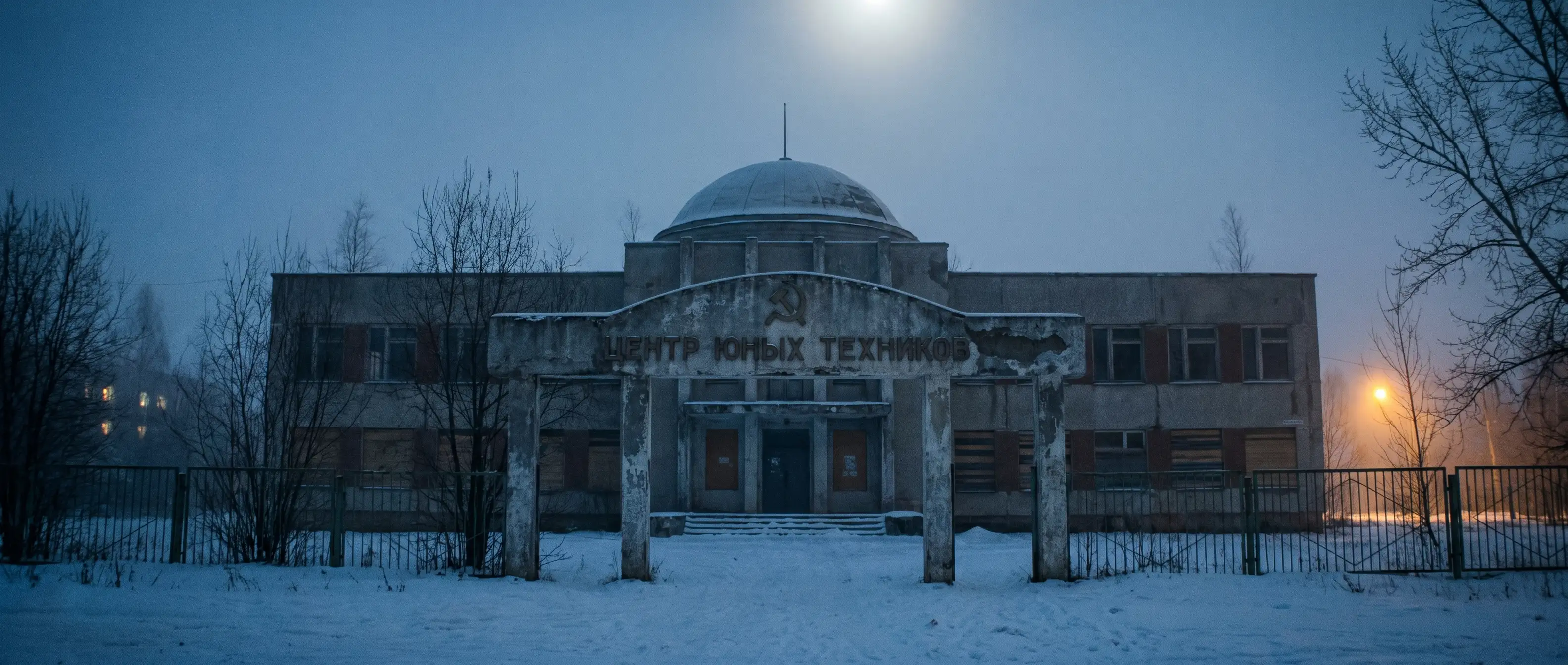
The fence has a star and a book stamped into it. The Soviet education department's mark. It is the wrong mark.
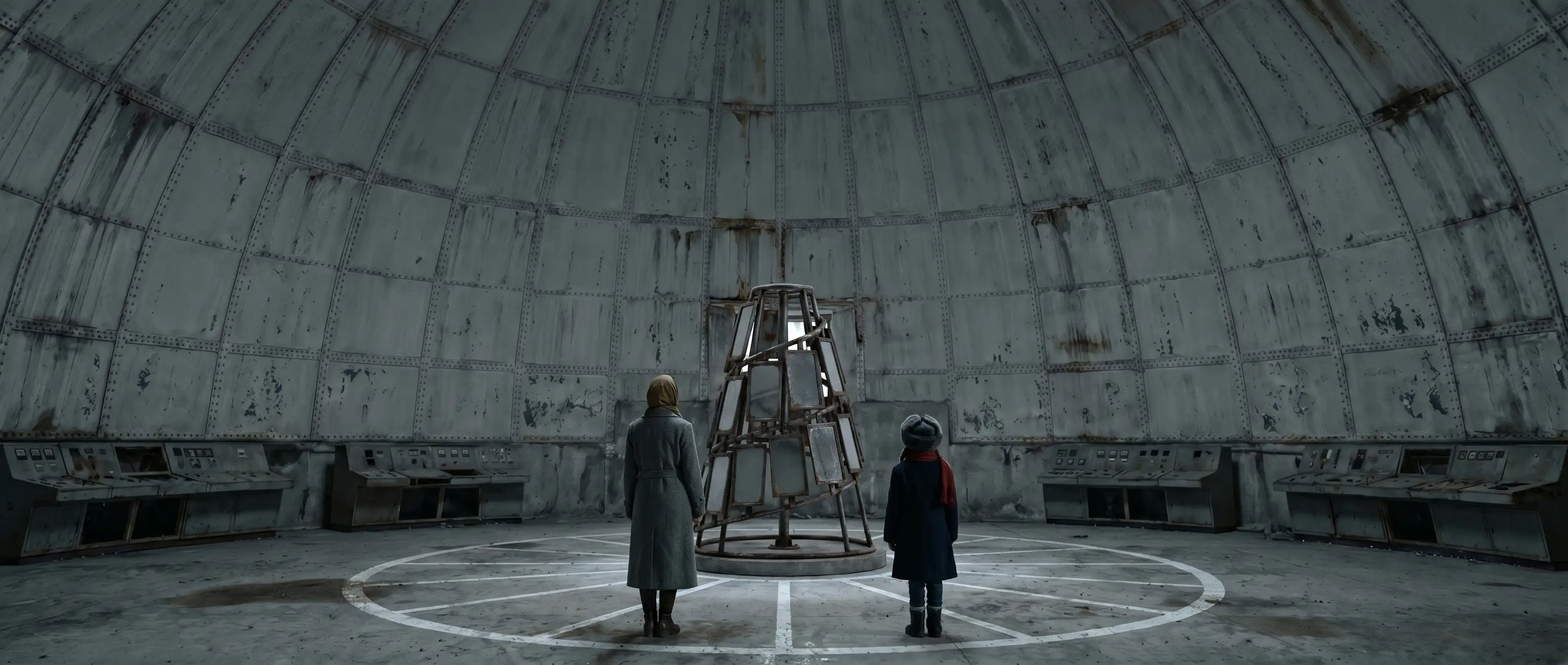
White-painted floor lines. A wooden chair with restraint marks. A central plinth, empty. Yet.
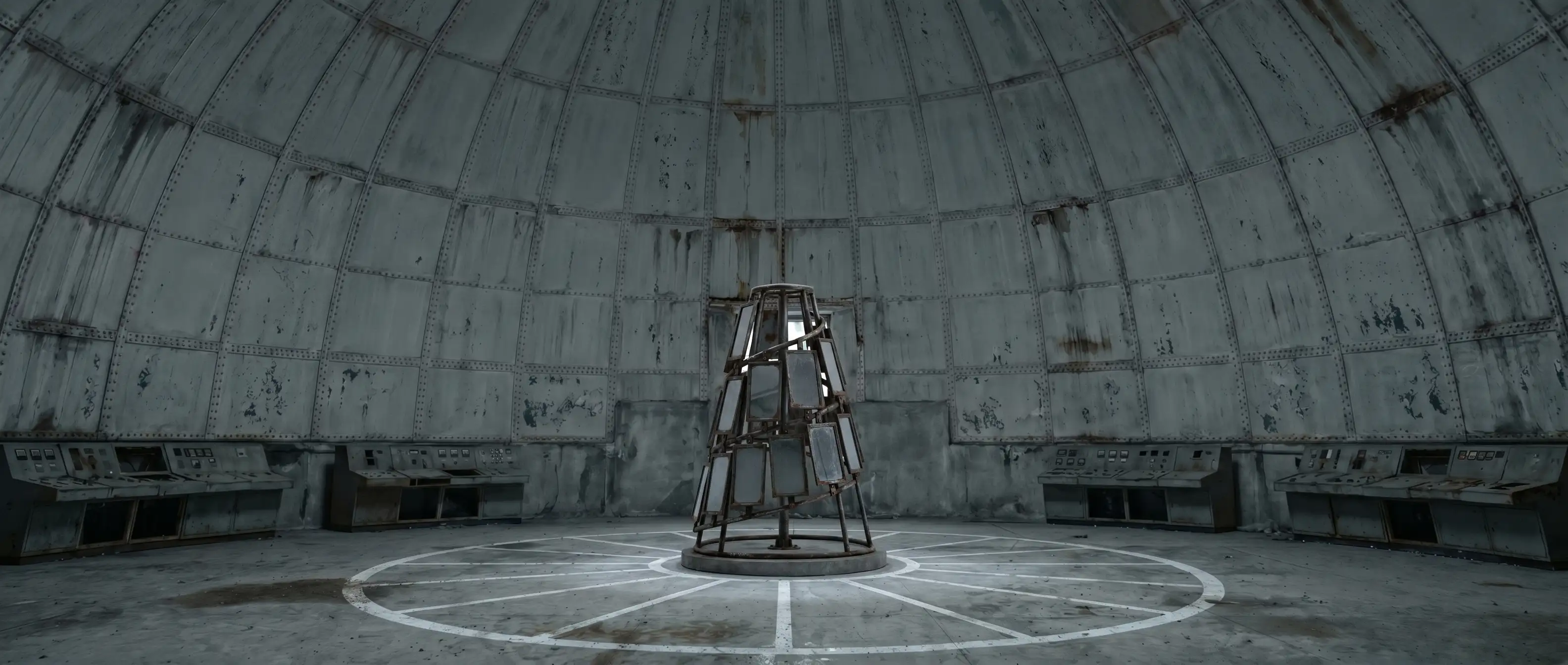
Kozyrev geometry. Aluminum. Wound like a watch spring. It is reflecting something she is not standing in front of yet.
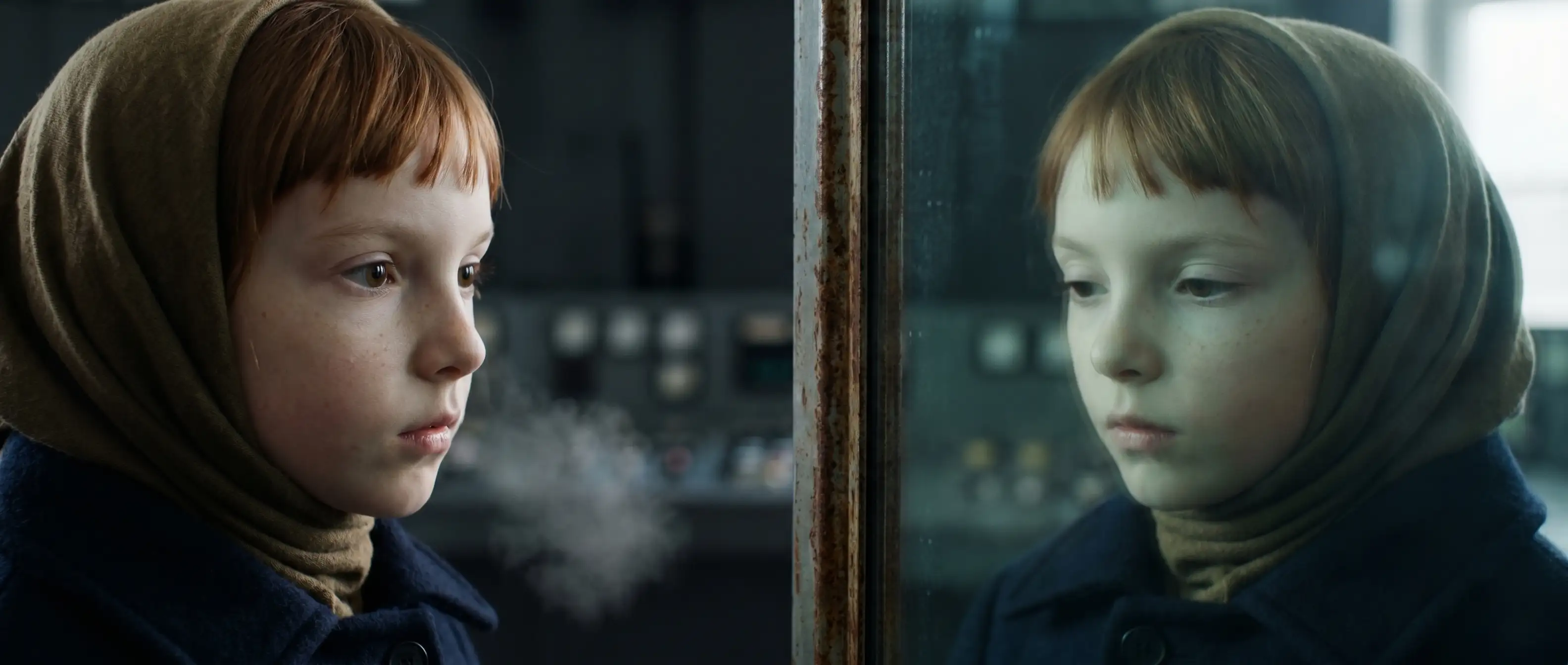
She moves her hand. Her reflection moves a half-second after. Then it doesn't move at all.
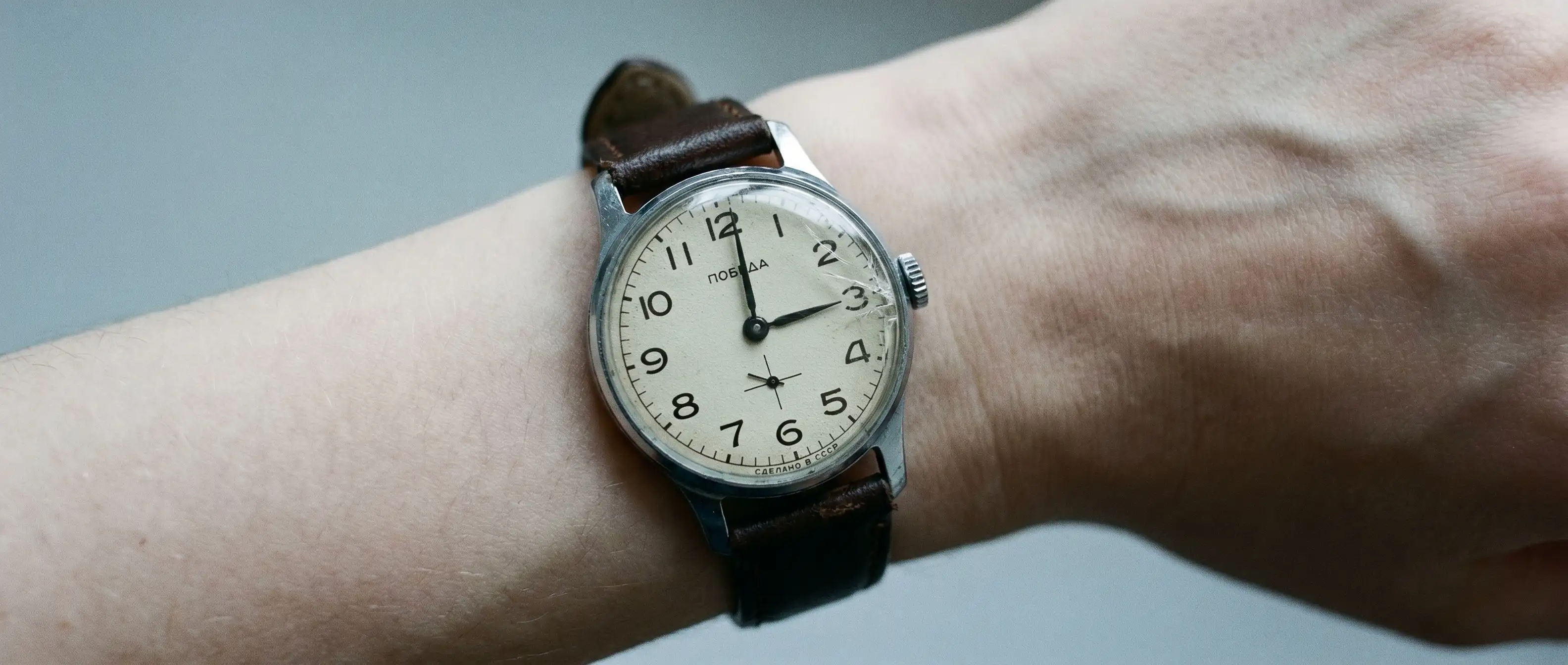
Father's watch. The hand has stopped. From this point forward in the season, all watches read 00:15.
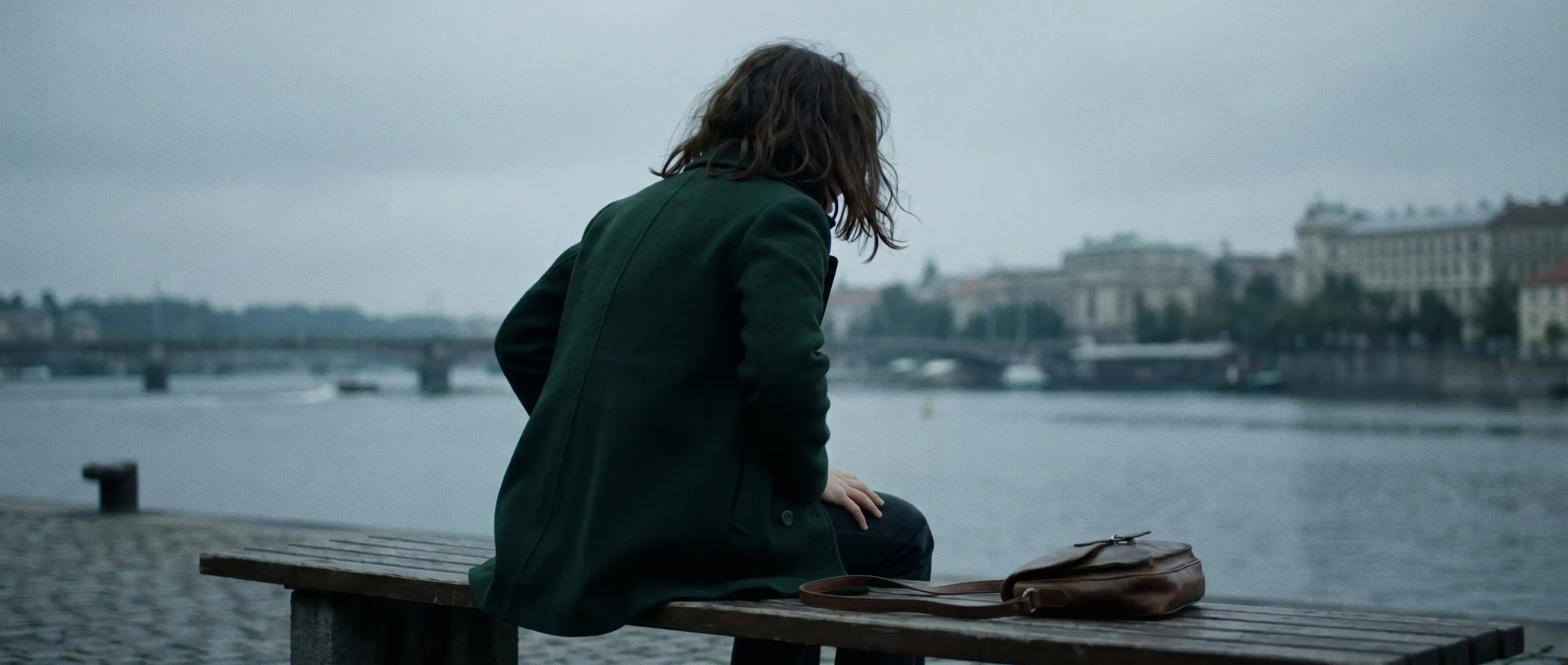
Her body is sixteen now. Her hands remember how to count. She has not yet seen her face in a window.
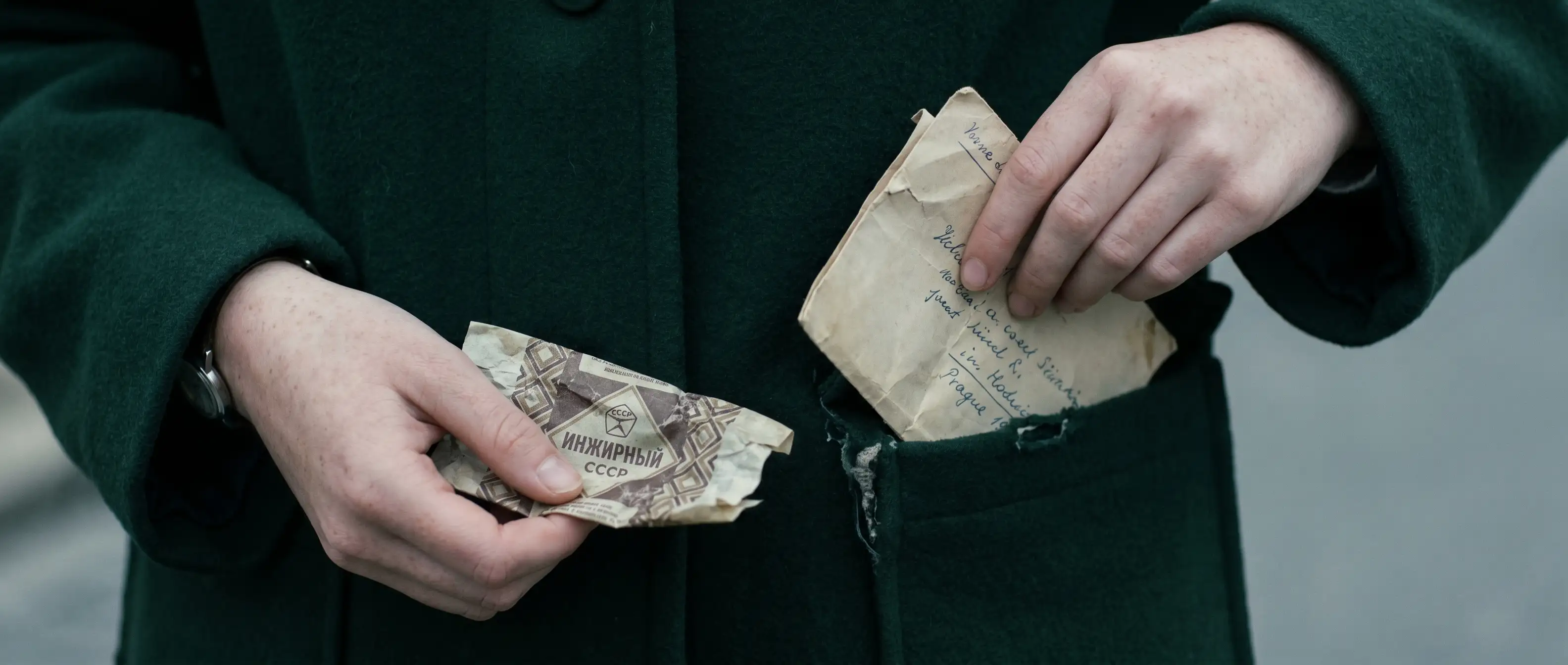
Someone dressed her. Someone left her instructions. Someone left her a piece of fig candy. Same wrapper. Same handwriting.
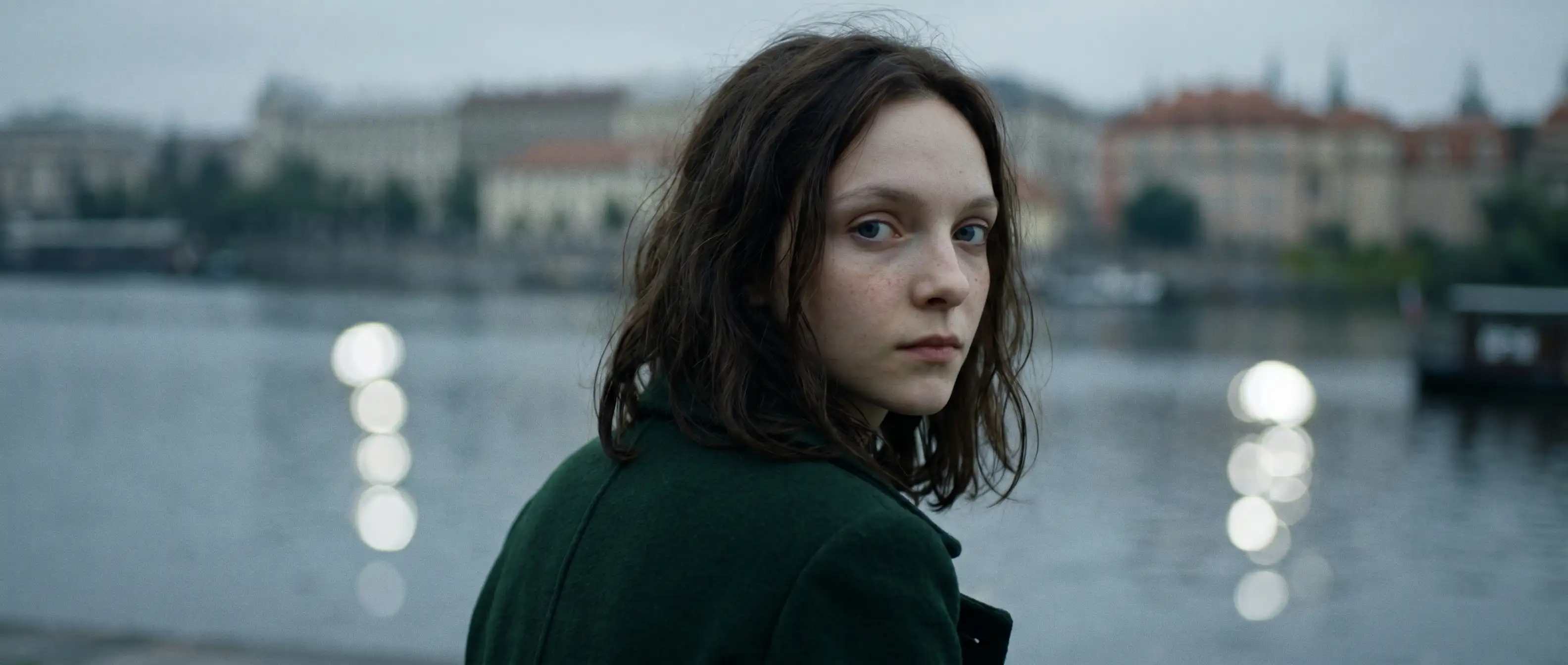
Cold morning. Wenceslas Square in the distance. The season's first episode begins on her next breath.
She walked into a room at nine. She walked out at sixteen. She does not know yet that the world spent those seven years getting ready for her.
Based on the real (and discredited) Kozyrev mirror experiments — Soviet physicist Nikolai Kozyrev's 1950s–70s aluminum-spiral apparatus for "non-electromagnetic information transfer." In the world of The Uninvited, the mirror does not transmit light. It transmits a body — folded across the chronon, held in deferral, then unwound seven years downstream of where it entered.
The protagonist enters at nine. Her physiology, her muscle memory, her counting habits — all preserved. She wakes at sixteen, in another country, with seven years of world-history printed on her without having lived a day of it. Mechanism B is the only piece of soft sci-fi the season permits itself. Everything else is documented Cold War.
Narratively, it solves the protagonist problem the season needed to solve: how does a child see eight historical moments without becoming a mascot? Answer: she doesn't. A nine-year-old enters the device. A sixteen-year-old comes out — and she has to do the rest of the season at her own scale.
Each episode is a self-contained world — a different country, a different texture, a different genre. The connective tissue is not exposition. It is props: a wristwatch frozen at 00:15, a piece of fig candy with handwriting on the wrapper, a 4625 kHz hum under every radio scene. The player binds the season together themselves. Nobody on screen ever explains it.
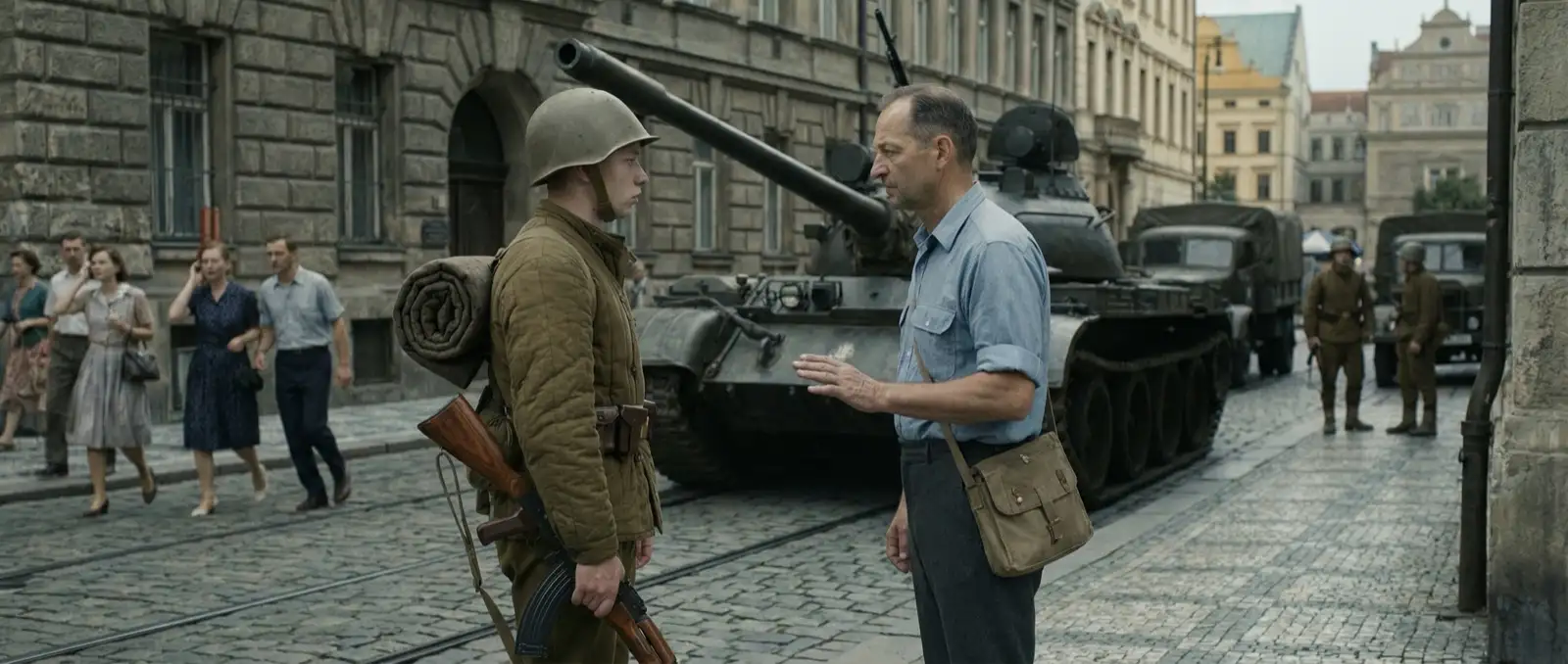
The night Soviet tanks roll in, a Czech radio engineer keeps a clandestine station broadcasting from rotating apartment basements. Mira (16, freshly arrived from the dome) must decide which voice gets to keep speaking — and which one she preserves only as evidence.
3 agents Miloš the engineer · The student courier · The lost Soviet tank crewman · Player verb Operate transmitter · re-tune frequency every 20 minutes
A North Korean assassination team poses as a "Japanese father and daughter" to bomb the Aung San Mausoleum. The South Korean president survives by 13 seconds of traffic delay. Mira arrives after the explosion — to retrieve a contact-point that links her father's old network to a KGB Southeast Asia node.
3 agents Min-soo the Korean attaché · The Burmese hotel clerk · The cleanup officer · Player puzzle Combination lock (digits = 0015) · Morse from postcard pinpricks
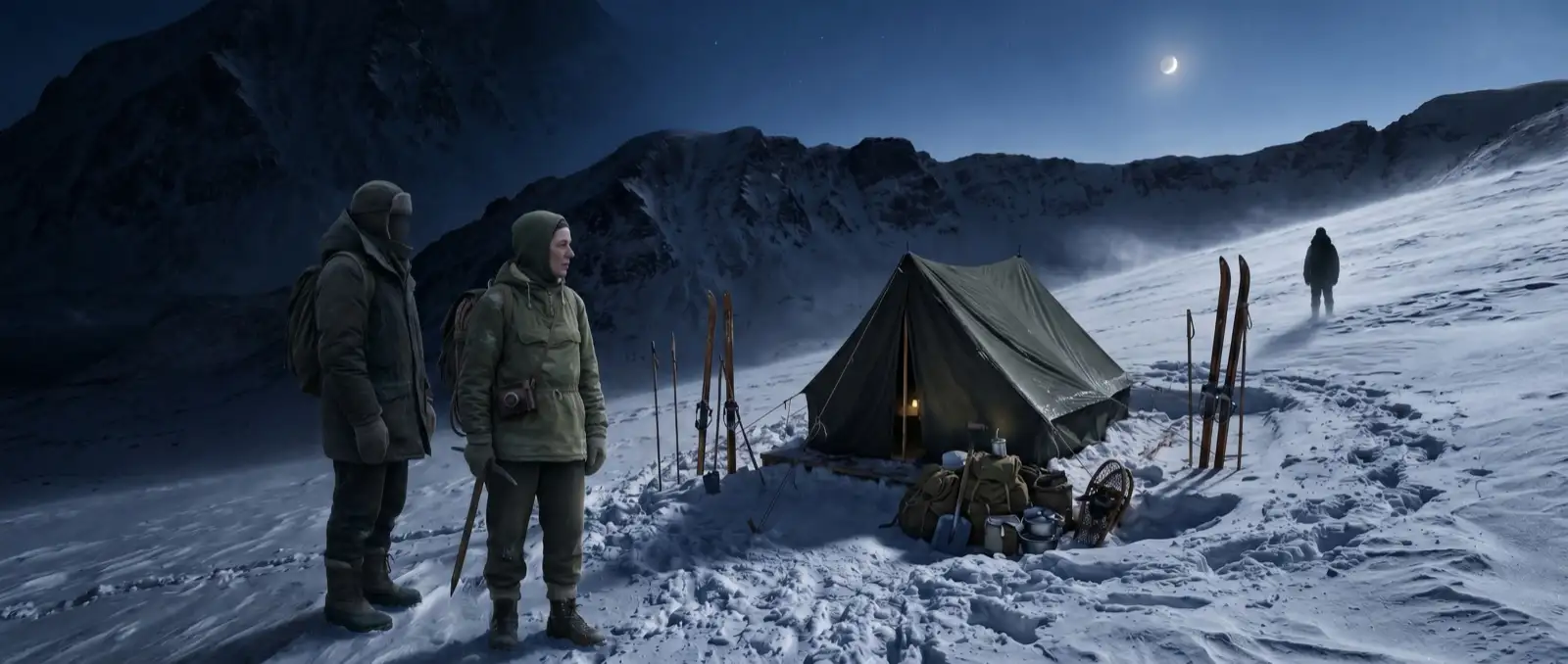
Nine hikers die in unexplained ways at minus thirty. Tent slashed from inside. Bare feet in snow. Bodies with internal fractures and traces of radioactivity. Mira is the tenth person — present but unable to intervene. Her task is to leave a record the official report will not.
3 agents Lyudmila the hiker · Lev Ivanov the investigator · The volunteer searcher · Player verb No operation. Only witness. (Designed.)
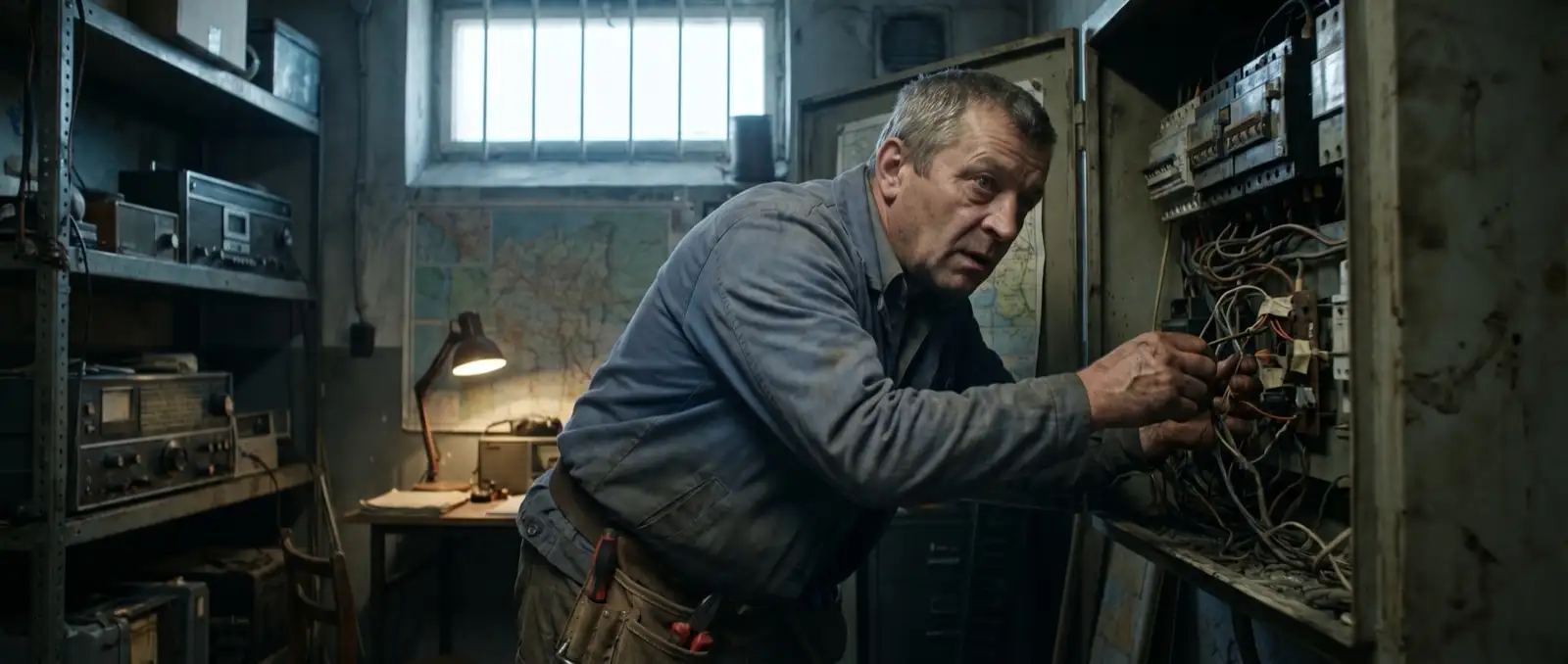
Polish dockworkers strike for 17 days. The Solidarity union is born. The seed of 1989 is planted on these gantry cranes. A worker maintains the shipyard's broadcast system — and discovers Soviet listening hardware spliced into it. The signal route shares infrastructure with UVB-76.
3 agents Tadeusz the broadcast tech · A messenger wife · The yard's gatekeeper-priest · Player puzzle Wiretap circuit (cut, short, attenuate, reverse-trace)
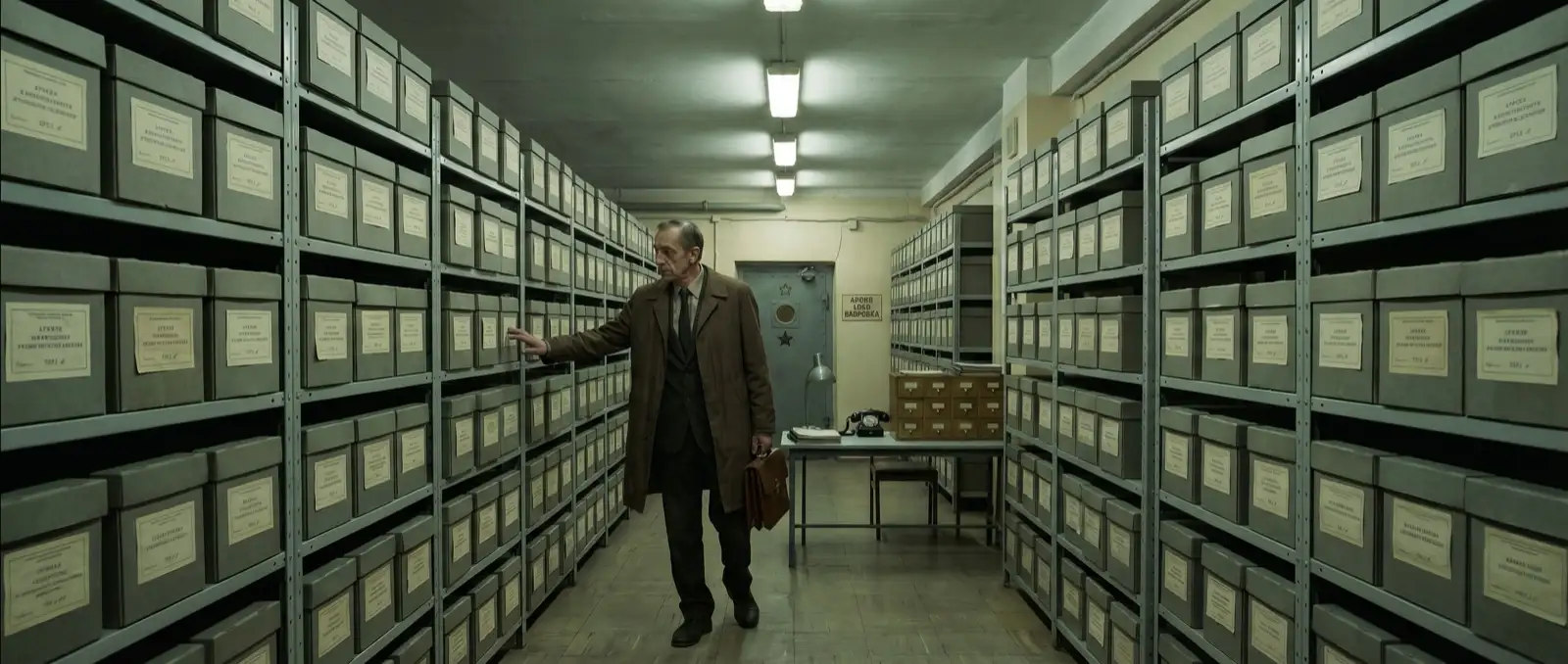
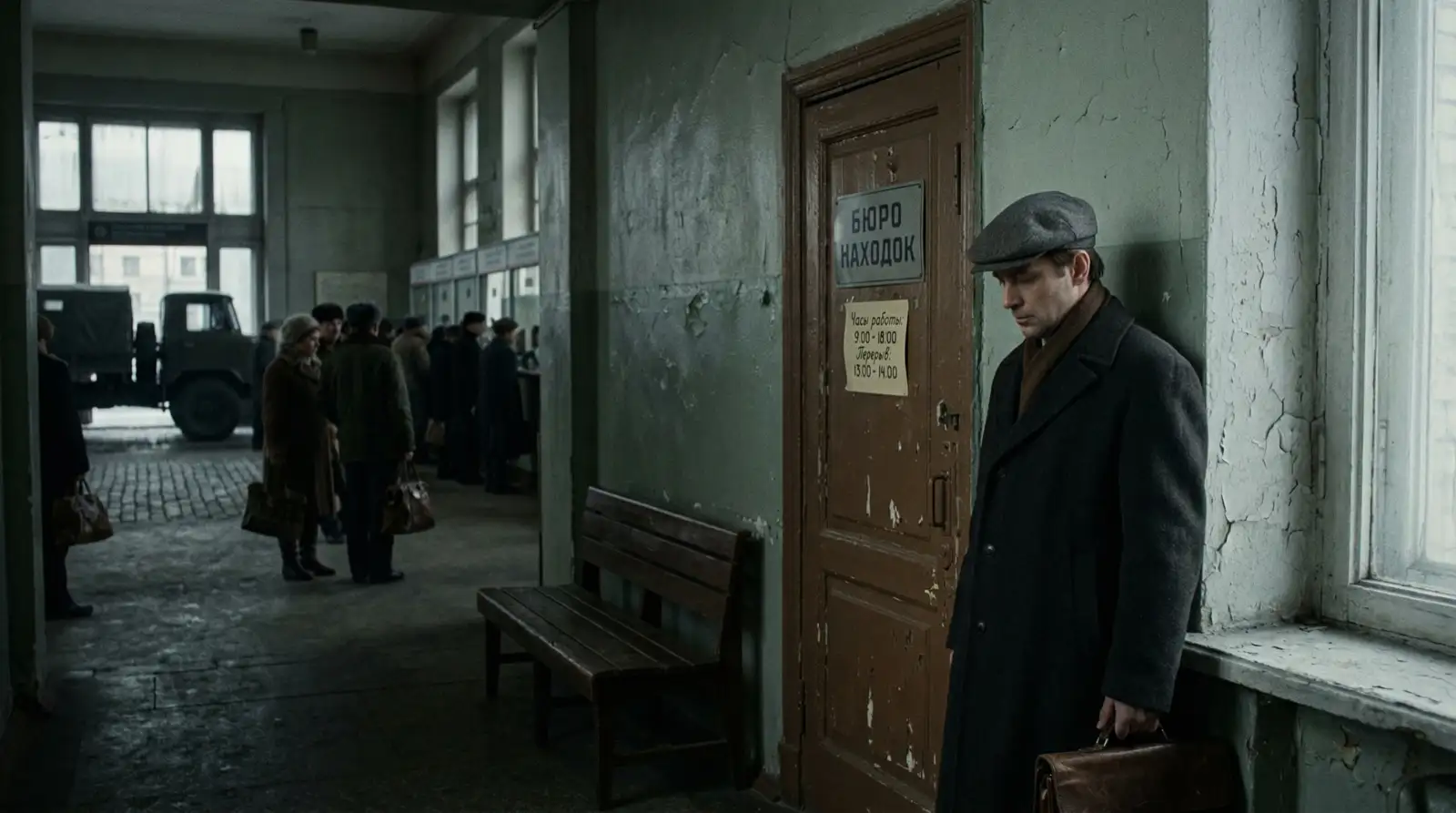
Vasili Mitrokhin spent 25 years secretly hand-copying KGB files into thumbnail-sized paper slips, hidden in milk churns under his dacha. Mira moves through his archive room, choosing which page becomes institutional memory and which becomes human memory — and finds her father's name in a folder that should not contain it.
3 agents Mitrokhin · His wife · The young archive clerk · Player verb Index-card lookup (no search bar, only a paper catalogue)
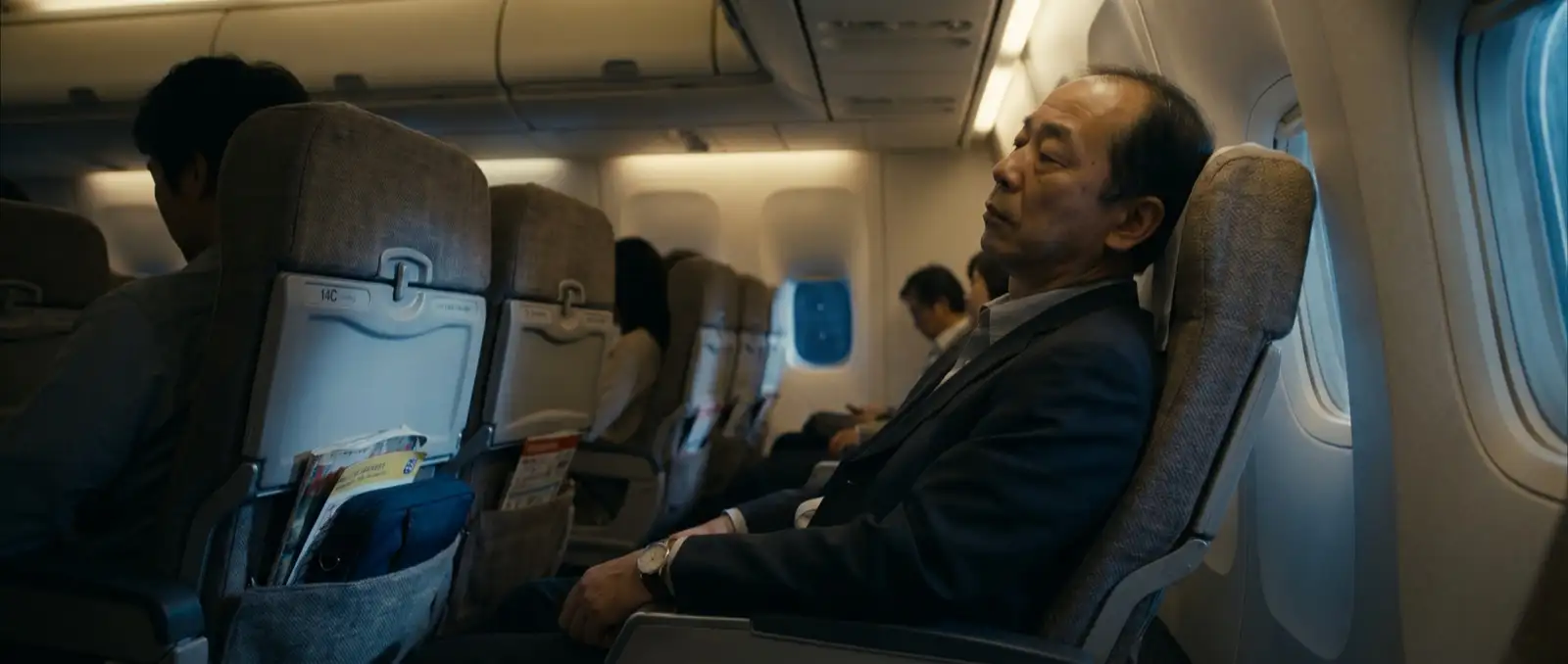
Korean Air Lines Flight 007 strays into Soviet airspace. Three lives in the cockpit recognize the missile too late. Mira drifts in residual form through the cabin in the three minutes before impact — real-time, no skipping. The episode's only choice: how many of the 240 occupied seats does she look at before the missile arrives.
3 agents The 14C passenger · The Sakhalin radar operator · Major Osipovich (the pilot who fired) · Player verb Sit. Look. Choose how much weight to take with you.
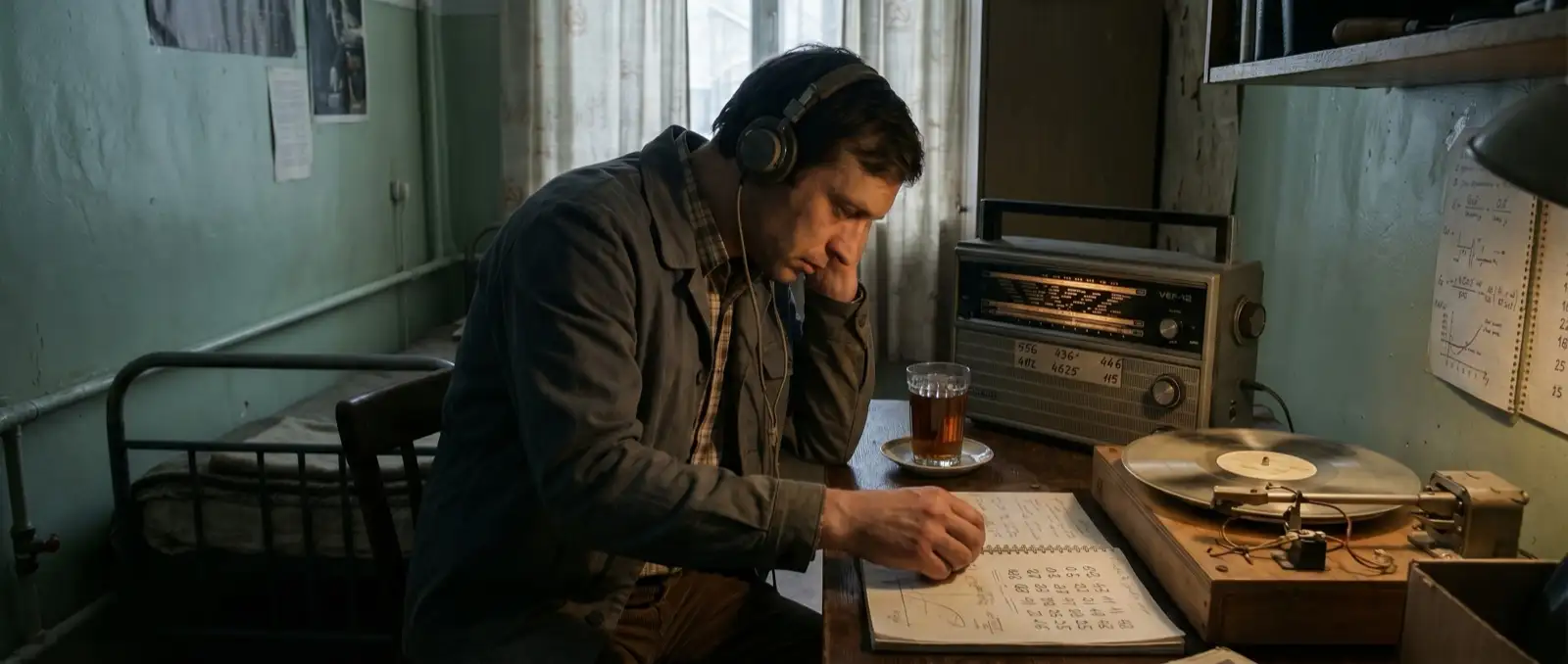
A young physicist by day, a bootleg radio enthusiast by night. He cuts Western rock music onto used X-ray plates — "bone records" — because vinyl is forbidden. One night he intercepts a transmission at 4625 kHz that is not music. He writes the digits down. The next morning, his notebook has been moved.
3 agents Alyosha the physicist · Irina the X-ray nurse · The night-shift gate clerk · Player verb Tune the modified radio · find the silences inside the noise
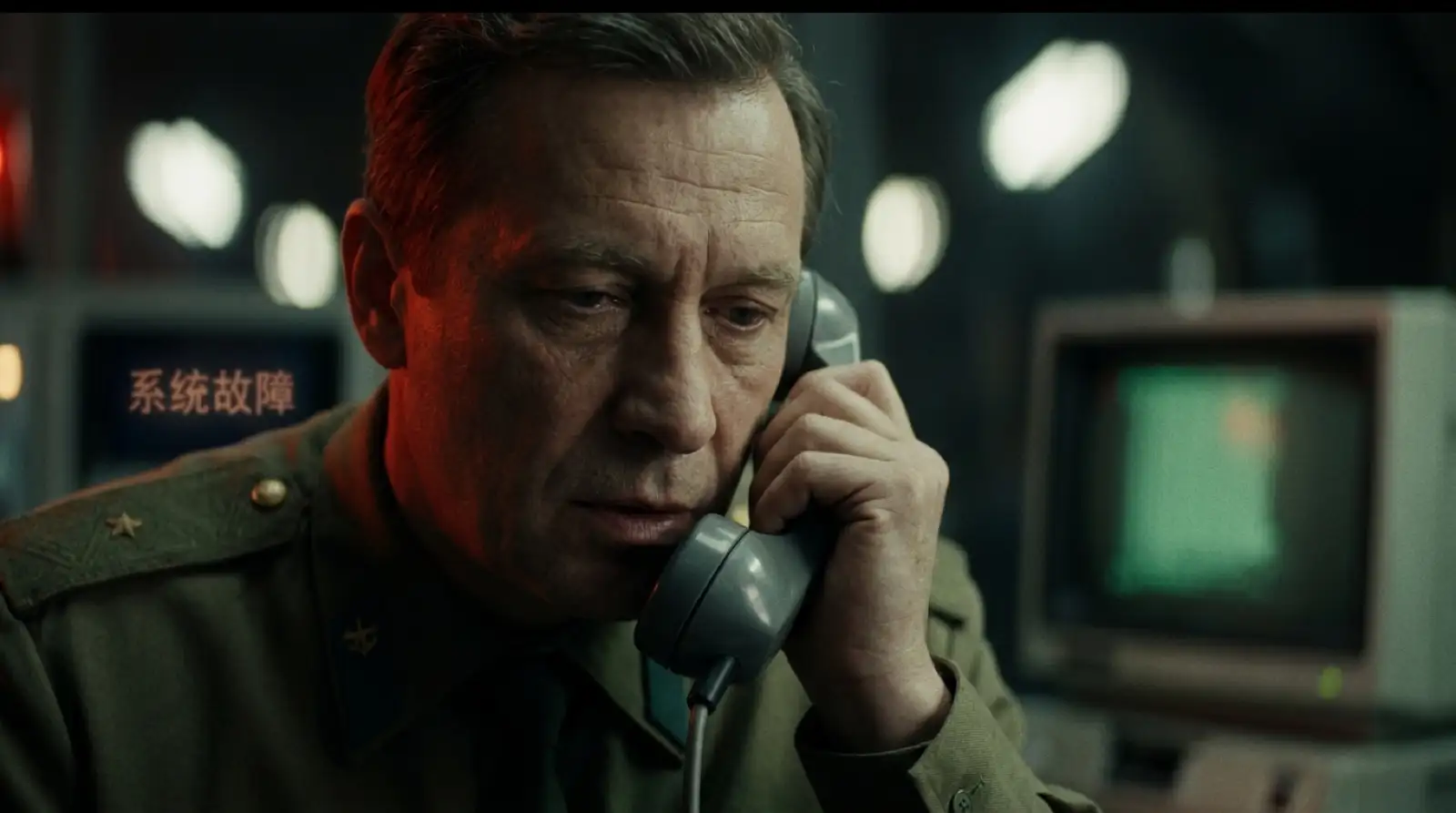
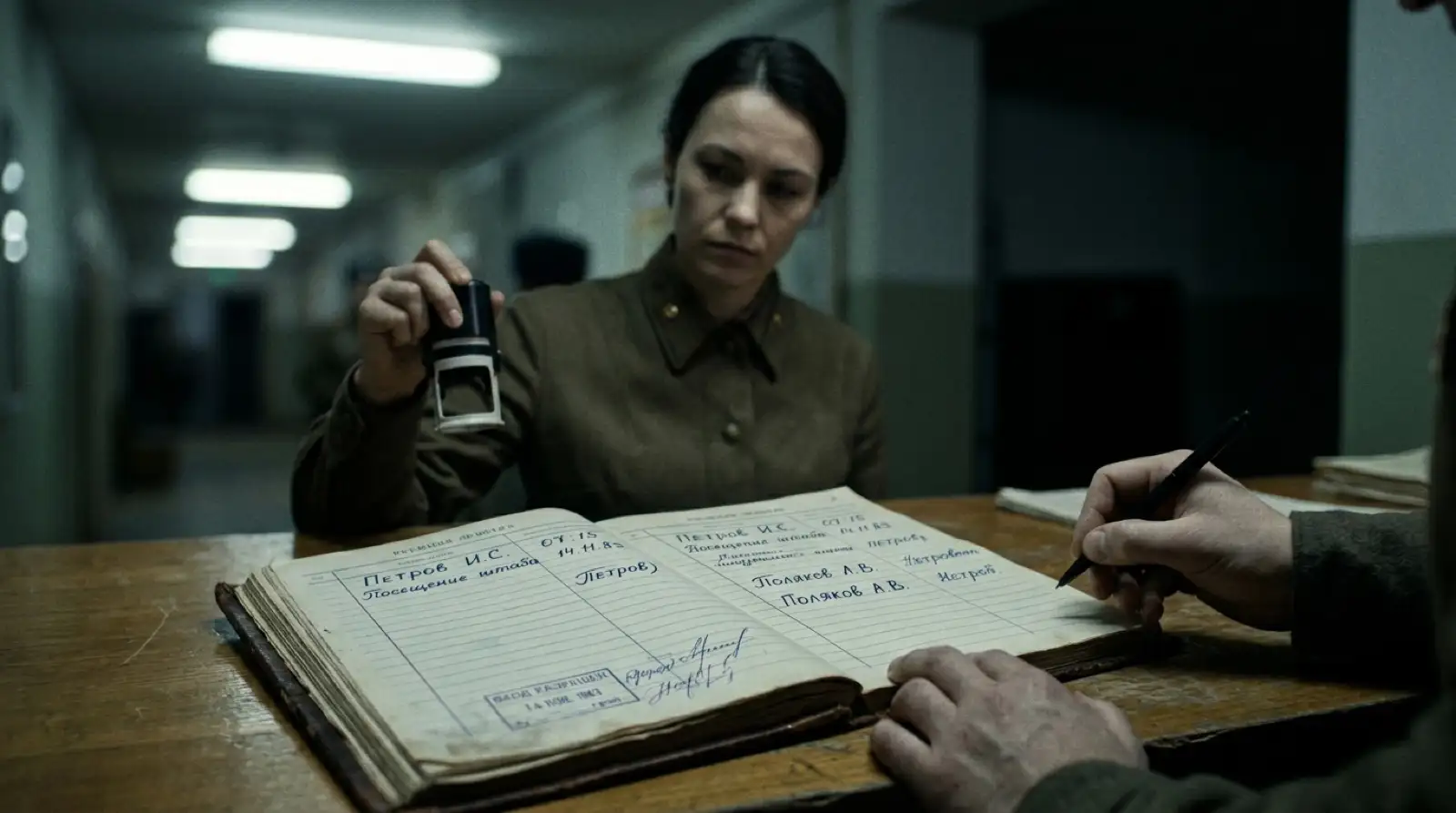
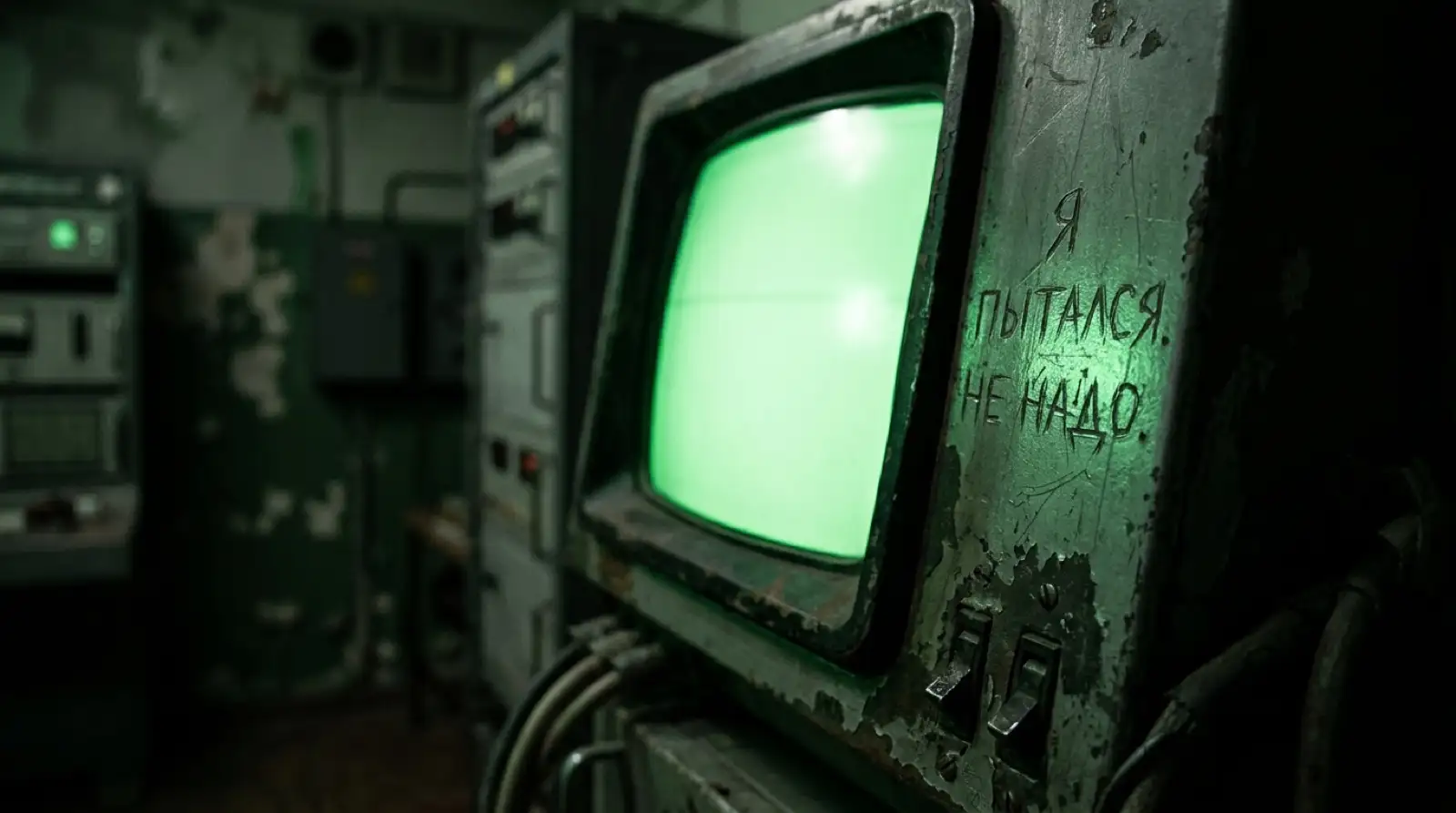
Lt. Col. Stanislav Petrov has 300 seconds to decide whether to report what his screen says: five American ICBMs incoming. Reporting them means Soviet retaliation means nuclear war. He doesn't pick up the phone. His report reads "system error · satellite data inconsistency." The real reason was that his daughter Lyuda would also die.
3 agents Petrov · Colonel Kolosov · Technician Ivanov · Player verb 12-character manual input · the tempo of one man pouring tea between bursts of static
The finale's pre-production is the most complete in the season — 145 locked stills · the entire 28-minute episode broken to the second. A taste of the visual density.
Boarding · ID hidden in a coin · the courier's first crossing
Two teacups. The plan is verbal. There is no folder.
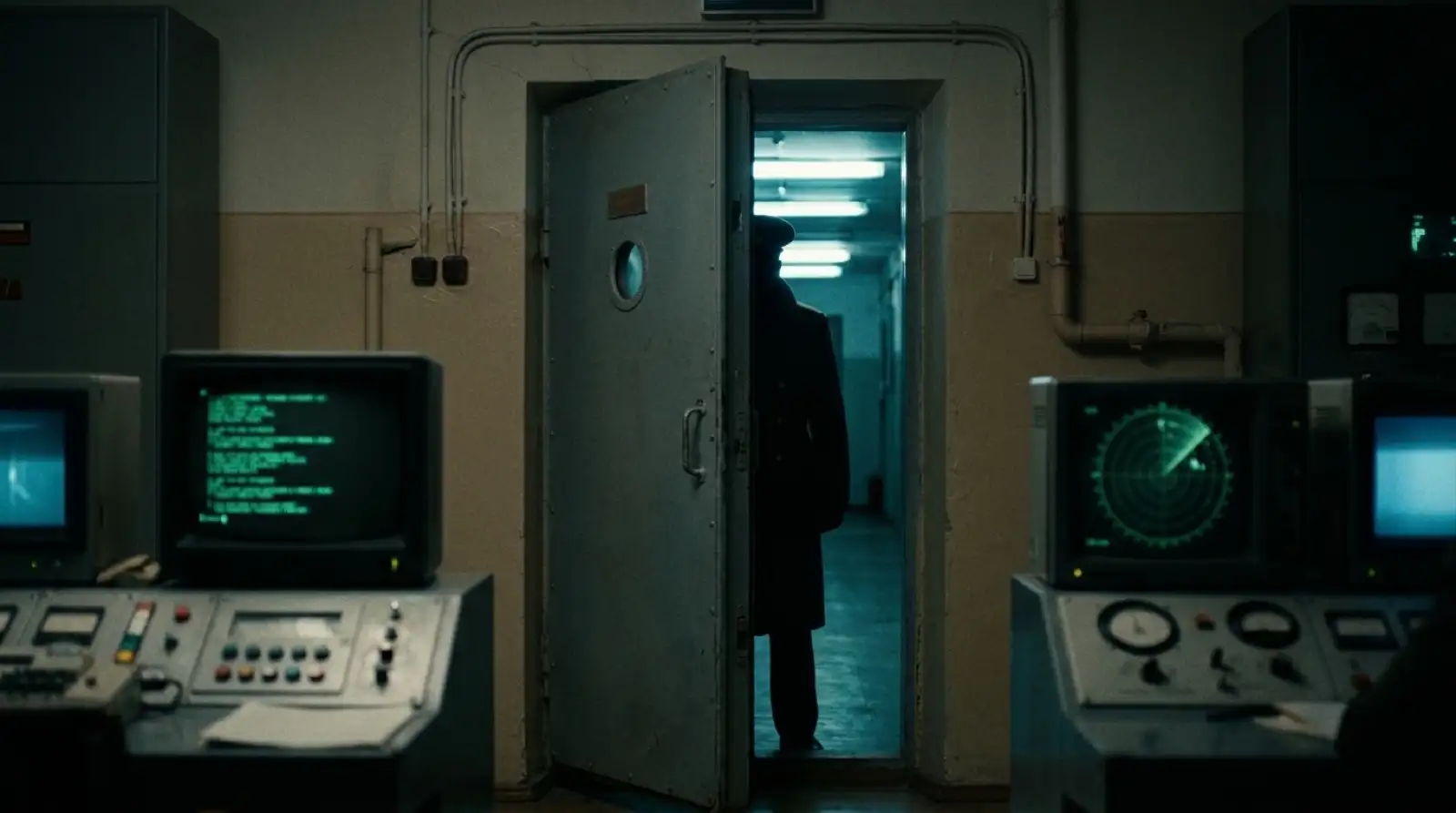
She enters the base on someone else's pass. The guard does not look up.
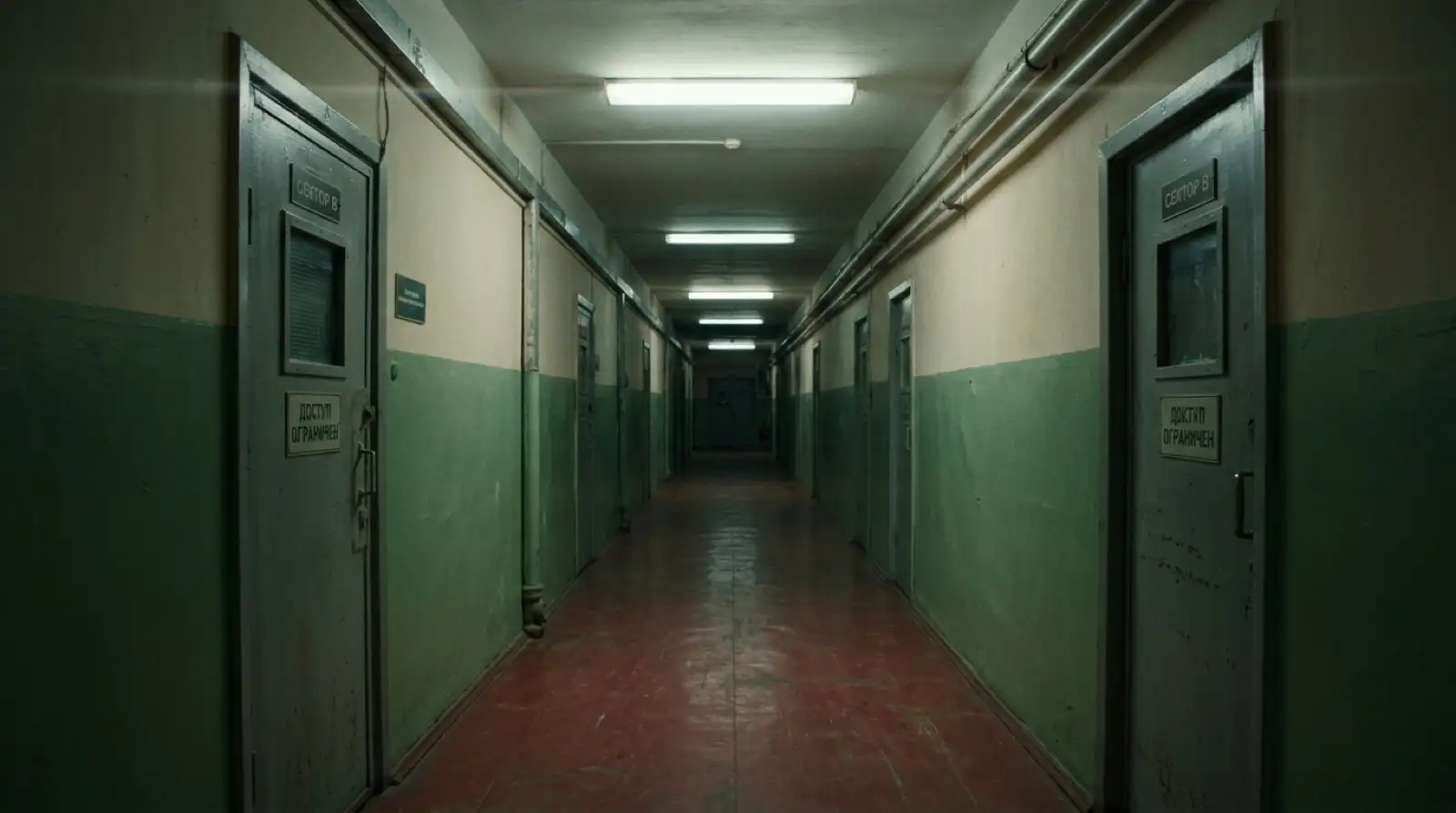
The corridor's color line says where you are allowed to think.
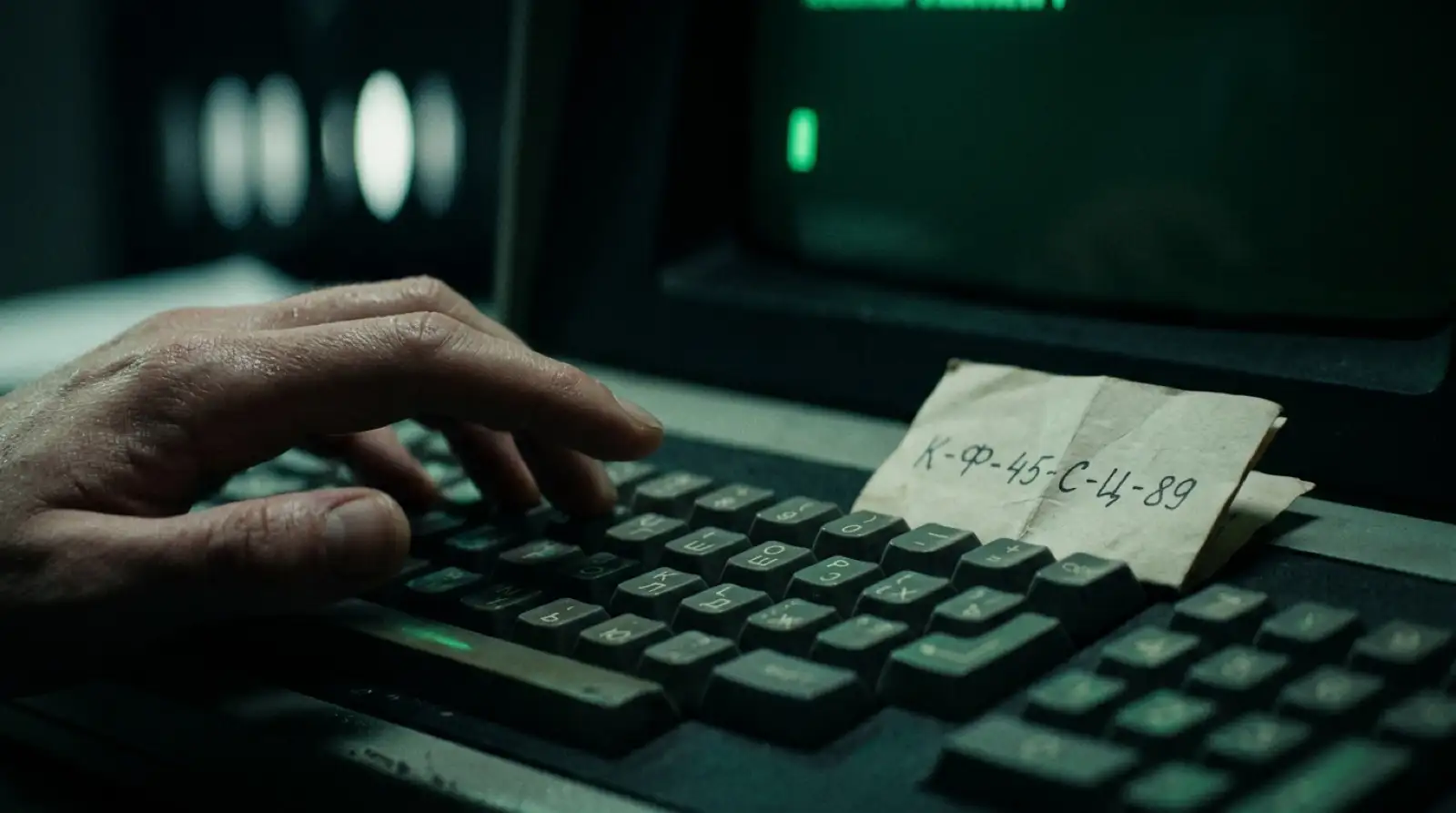
She types the report. Each character is a tempo judgment between bursts of static.
The screen demands one thing. Petrov has 300 seconds.
He looks at it. He doesn't pick it up.
She walks out. The world will never know what was almost done.
He didn't pick up the phone. The world doesn't know. Mira knows.

A nine-year-old in a closed Soviet science city. Her father is a physicist. Her mother died three years ago. She doesn't reason like an adult — she repeats things, asks small questions, and counts whatever she can count: seconds, telephone poles, sugar cubes, gauge ticks. She does not cry easily. She gets red around the eyes first, and then she counts.
In EP0 she is taken to the Pioneer Palace for an "inspection," she fails to fail in the precise way the inspector wanted, the room's window-frost cracks spontaneously, the adults leave in a hurry, and by nightfall the city has stopped working for her. She walks into the dome at 00:15. She does not walk out of it. A sixteen-year-old does.

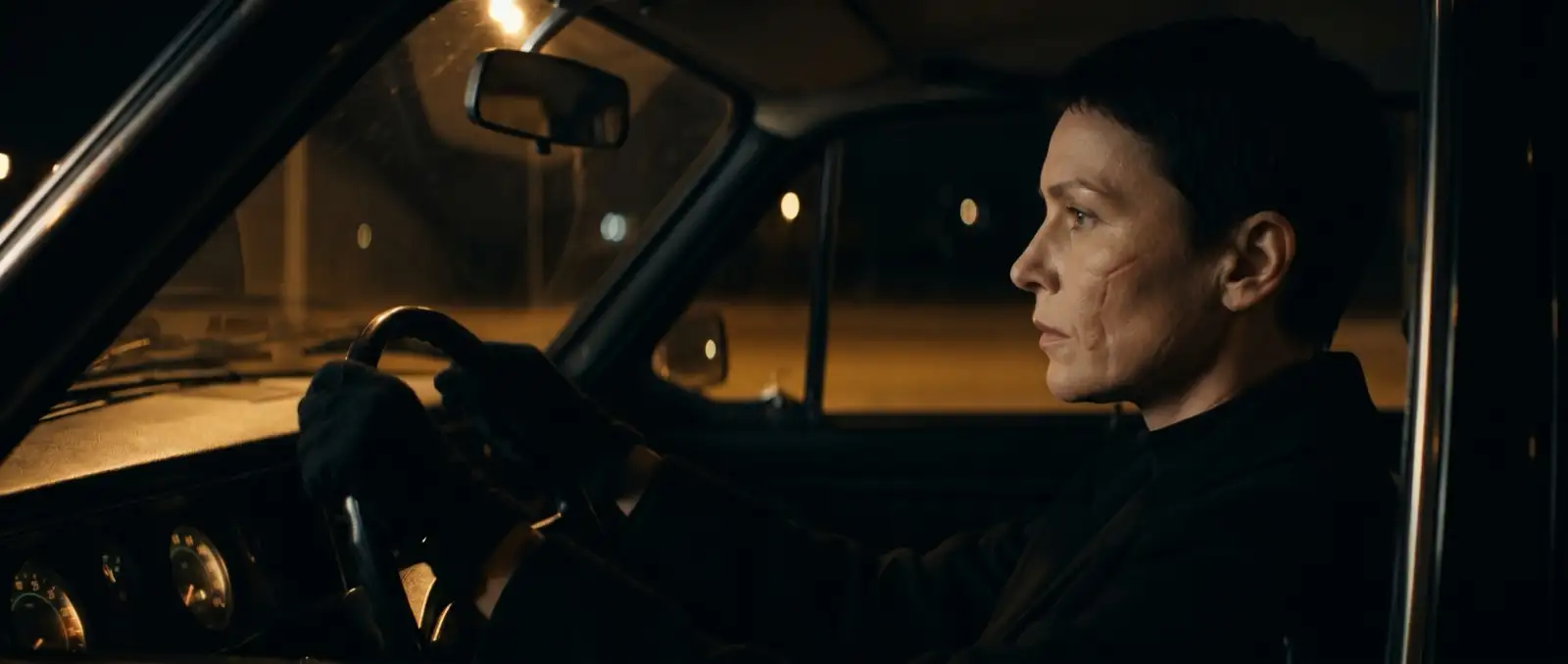
The body that exits the mirror. She has the muscle memory of a nine-year-old and the body of a teenager. She does not remember the seven years that have passed. The world has — and the people she meets have spent those seven years either looking for her, or making sure she would find them.
Across eight episodes, she ages emotionally faster than her body does. She arrives in EP1 thinking the world will explain itself. She leaves EP7 understanding that no one will. She inherits her father's habit — arranging rooms rather than confronting people — and his cost: the people she helps don't know she was ever there.

The Watcher. Not a hero, not a spy. A man whose job is to arrange the room hours before the choice will be made — a cup of cold coffee, a photograph turned three degrees, a door locked from outside, a sugar wrapper with three written words tucked inside the seam of a radio.
He has spent fifteen years quietly making sure that ordinary people, at critical moments of the Cold War, had the conditions to make their irrational, deeply human choices. By the time the season starts, he is on his 48th arrangement. He chose to stop midway. He has been gone for seven years by the time his daughter walks out of the mirror — and the room she walks into is the one he was setting up before he disappeared.

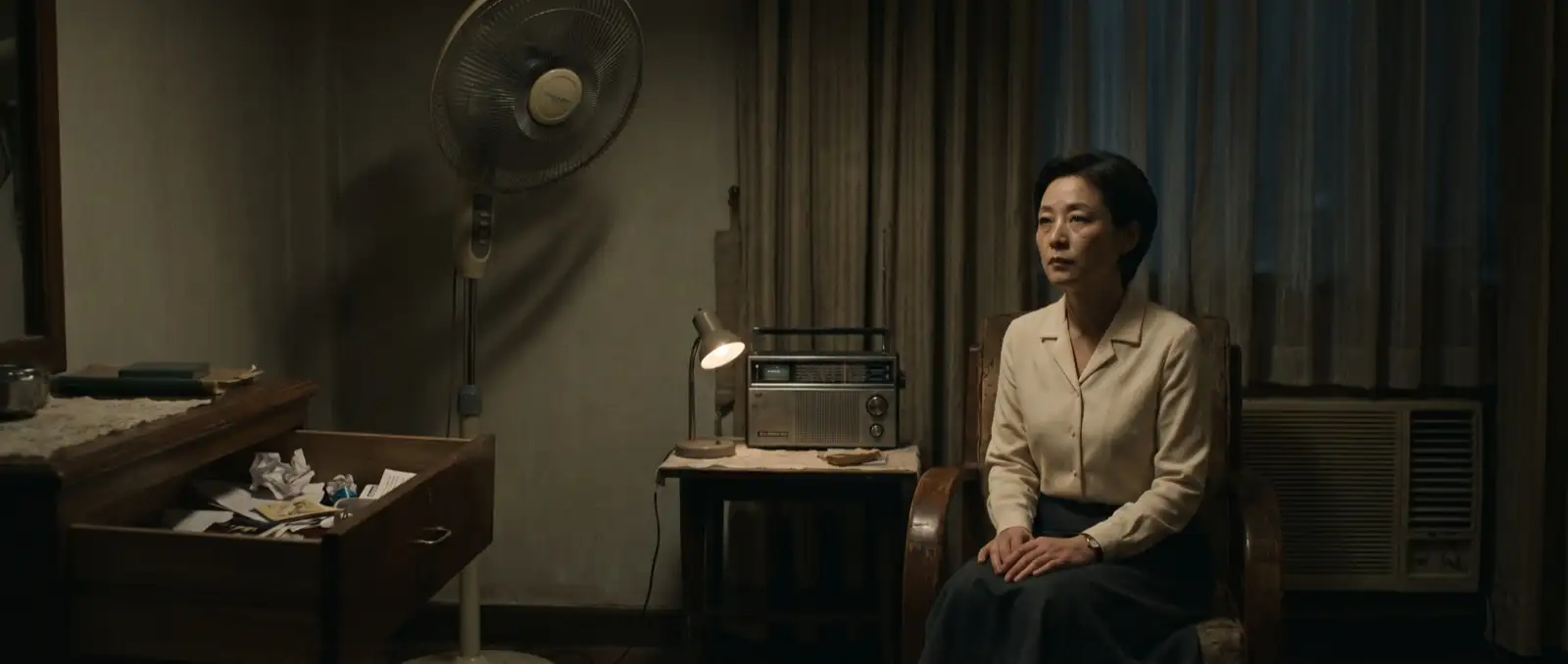
The woman who drives Mira from the apartment to the dome. Her allegiance is never explicitly stated — by the season's end the player should still be uncertain whether she is the second-to-last loyal Watcher or the most patient agent the Corrector ever placed. She uses the same coded knock as Mira's father. She also has access to operations only the Corrector should know about.
She speaks like someone who has rehearsed sentences she'd rather not say. "Don't talk until we're past the dome." Mira doesn't.
The interaction philosophy is borrowed from The Witcher 3's ethic (no choice has a clean right answer), Disco Elysium's patience (most "play" is reading the room), Inside's restraint (the body is the verb), and Pentiment's historical density (every prop is a small archive). Where it differs: each episode also lets the player be three different people in the same event.
The skeleton. What you'd expect. Push or don't push. Speak or stay silent.
The flesh. Each episode has one stayable space. Stay 0 seconds or stay 5 minutes — both are legal.
The hands. One or two per episode. Not QTEs. Real diegetic actions a competent adult would actually do.
Every meaningful choice in the season collapses to three intentions. None of them is correct. They simply shape who the protagonist becomes by the finale — and which version of her speaks the final sentence.
The father never tells anybody what to do. He arranges seven small things in the environment, hours before the choice. The protagonist (and the player) inherits this method. In the finale, all seven dominoes are visible — the player has been quietly placing them across the season without knowing it.
Three hidden tracking systems run silently across all eight episodes. None of them is required to finish the season. All of them change the texture of the finale's last 300 seconds.
The season was designed so that no character ever monologues exposition. Continuity is carried by props. Each prop has a precise pre-history (where it came from, who handled it before), a present role (its function in this episode's scene), and a future obligation (where it must reappear). Players who care will assemble the timeline. Players who don't will still feel it.
The season's visual logic refuses unification. Each episode commits to a single dominant temperature and a single dominant texture — driven by location, year, and the dominant medium of that historical moment. The result is that no two episodes feel like they could have been cut from the same reel.
| EP | SETTING | PALETTE | SIGNATURE TEXTURE |
|---|---|---|---|
| EP0 | Soviet ZATO · Urals · Apr 1983 | Frost blue + brutalist grey + sodium-orange night | Frost-cracked window glass · Soviet linoleum · Volga interior |
| EP1 | Prague · Aug 1968 | Warm gold (day) → Cold grey (after tanks) | Charles Bridge · T-55 silhouette · café marble |
| EP2 | Rangoon + Pyongyang · Oct 1983 | Tropical gold + Pyongyang ice-white | Aung San pagoda · empty 100m boulevards · paper monsoon |
| EP3 | Northern Urals · Jan 1959 | Pure white + pure black + auroral green | Slashed canvas tent · stars without atmospheric glow |
| EP4 | Gdańsk shipyard · Aug 1980 | Industrial grey + Polish red + church gold | Gantry crane skeleton · welding sparks · papal portrait |
| EP5 | Lubyanka + 1992 London | Dim institutional green + Thames fog grey | Tsarist insurance building · index card paper · milk churn |
| EP6 | Pacific airspace + Sakhalin | Night blue + radar green + cabin amber | Boeing 747 interior 1983 · Soviet PVO bunker · star field |
| EP7 | Soviet ZATO closed city | Cold grey + lab white + X-ray blue | X-ray "bone records" · empty Khrushchyovka avenues |
| FIN | Serpukhov-15 · Sep 26, 1983 · 00:15 | CRT green + alarm red | Two-tone wall corridor · OKO-1 console · phone cable |
Episode 4 (Gdańsk) is the season's only victory. It sits between EP3's silent horror and EP6's mass casualty deliberately. The Cold War is not all despair — somebody won, once, and it mattered. Without that beat, the finale has nowhere to descend from.
We did not build an AI tool. We built a discipline — a pipeline that takes one director's visual and narrative judgment and propagates it across every downstream artifact: shot list, prompt template, look-dev sheet, asset routing table, episode review board. The taste is set once, at the top. The team executes against it. The deck you are reading is one face of this pipeline. The internal review board is another.
A literary treatment + style sheet + DP-grade cinematography decisions. Written once, in markdown. Reusable across every pipeline. This deck is a face of it.
Every scene is broken to a 16-dimension shot table. Every shot has a 5-layer prompt with face-lock / wardrobe-lock / scene-lock references. One director's taste, propagated down to per-shot specification.
A live HTML board generated from asset routing tables. 9 episodes · 864 stills · current locks vs. deprecated castings vs. open gaps. What the team uses every morning. Bundled with this deck.
Open Review Board →The pipeline is internal — we are not commercializing it. It exists so that the visuals you saw above are not flukes. Every locked still in this deck went through the same four-lock review (face / subject / wardrobe / scene). Every shot rationale lives in the same shot-breakdown markdown the team consults. The taste is the system. The team just executes against it.
Not a tools demo. The pipeline exists to compress the most expensive eighteen months of any narrative game's pre-production — concept, cinematic look-dev, character lock, prop bible, scene-level previs — into eight weeks, with one director and a handful of operators. The output is studio-ingestible: locked frames at 2K, scene-level shot tables, a writeable bible, and a residual-system data spec that can route directly into Unreal or Unity narrative blueprints.
Director writes literary treatment in Markdown. Reusable across pipelines.
DP-grade decisions: lens, color temp, light source, grain. 5-layer prompt structure.
Director's-cut markdown — 16-dimension shot table per scene. Eight-axis time-track for long takes.
Banana Pro · Flux · Midjourney with 4-lock consistency: face, subject, wardrobe, scene.
Seedance 2.0 · Kling 3.0 · Veo 3.1 for motion. ElevenLabs + ACE-Step for VO + score.
The hardest problem in AIGC narrative production is character continuity across 100+ shots. SOMEWHILE's solution is a four-lock pipeline: Face Lock (identity), Subject Lock (multi-angle reproducibility), Wardrobe Lock (costume detail across scenes), Scene Lock (location reuse with axis-of-action coherence). Match% scored on a 9-cell grid. The 120 EP0 stills above are all locked at >90% Face Lock against Mira's reference sheet.
Director · Fubo. Pure-AIGC production house focused on narrative-driven IP for film and games. The Uninvited is our flagship pre-production project — eight weeks from white page to this deck.